India presents a travel landscape of unparalleled diversity, demanding strategic planning to navigate its distinct regional offerings. For those considering a journey through this vast subcontinent, understanding the unique appeal of each area is crucial for crafting an itinerary that aligns with specific interests, whether historical exploration, spiritual immersion, natural adventure, or cultural discovery. This guide outlines key destinations and practical considerations, enabling a more informed and efficient travel decision-making process. This guide outlines key destinations and practical considerations, enabling a more informed and efficient travel decision-making process, covering key destinations across India.
Northern India: Historical Grandeur and Himalayan Peaks
Northern India offers a blend of ancient history, spiritual centers, and dramatic mountain landscapes. This region is often the first point of entry for international travelers due to its iconic landmarks and well-established tourist circuits.
The Golden Triangle: Delhi, Agra, Jaipur
This classic circuit provides an efficient introduction to India's Mughal and Rajput heritage. Delhi, the capital, serves as a dynamic hub showcasing historical monuments like Humayun's Tomb and Qutub Minar, alongside modern urban life. Agra is home to the Taj Mahal, an architectural marvel that justifies its global renown, best experienced at sunrise or sunset. Jaipur, the "Pink City" of Rajasthan, offers majestic forts (Amber Fort), opulent palaces (City Palace), and vibrant bazaars, reflecting Rajput grandeur.
Best for: First-time visitors, history enthusiasts, architectural appreciation.
Varanasi: Spiritual Heart of India
Situated on the banks of the Ganges, Varanasi is one of the oldest continuously inhabited cities in the world and a pivotal pilgrimage site for Hindus. The ghats (riverfront steps) are central to daily life, hosting rituals, ceremonies, and cremations. A boat ride at dawn offers a profound insight into the spiritual practices and ancient traditions.
Best for: Spiritual seekers, cultural immersion, photography.
Himalayan Foothills: Himachal Pradesh and Uttarakhand
For those seeking cooler climates and natural beauty, the northern states of Himachal Pradesh and Uttarakhand offer serene mountain retreats. Destinations like Shimla, Manali, and Dharamshala (home to the Dalai Lama) provide scenic vistas, trekking opportunities, and a distinct cultural experience. Rishikesh and Haridwar in Uttarakhand are renowned for yoga, meditation, and spiritual retreats.
Best for: Nature lovers, adventure travelers, spiritual wellness.
Western India: Desert Forts and Coastal Retreats
Western India spans the vibrant urban sprawl of Mumbai to the arid desert landscapes of Rajasthan and the relaxed beaches of Goa, offering a stark contrast in experiences.
Rajasthan: Land of Kings
Beyond Jaipur, Rajasthan captivates with its desert forts, elaborate palaces, and colorful traditions. Udaipur, the "City of Lakes," is famed for its romantic setting and Lake Palace. Jodhpur, the "Blue City," is dominated by the formidable Mehrangarh Fort. Jaisalmer, with its living fort rising from the Thar Desert, provides a unique glimpse into desert life and camel safaris.
Best for: Cultural explorers, luxury travel, desert adventures.
Goa: Beaches and Portuguese Heritage
Goa offers a laid-back atmosphere with extensive sandy beaches, vibrant nightlife, and a distinctive Indo-Portuguese culture. Its churches, such as the Basilica of Bom Jesus, are UNESCO World Heritage Sites. The state caters to a wide range of travelers, from those seeking quiet relaxation to party-goers.
Best for: Beach holidays, relaxation, nightlife, colonial history.
Southern India: Backwaters, Temples, and Tropical Shores
Southern India is characterized by its lush tropical landscapes, intricate temple architecture, tranquil backwaters, and a distinct Dravidian culture.
Kerala: God's Own Country
Known for its serene backwaters, palm-fringed beaches, and spice plantations, Kerala offers a tranquil escape. A houseboat cruise through the Alleppey (Alappuzha) backwaters is a signature experience. Cochin (Kochi) blends colonial history with vibrant art scenes.
Best for: Relaxation, eco-tourism, Ayurvedic treatments.
Tamil Nadu: Temples and Heritage
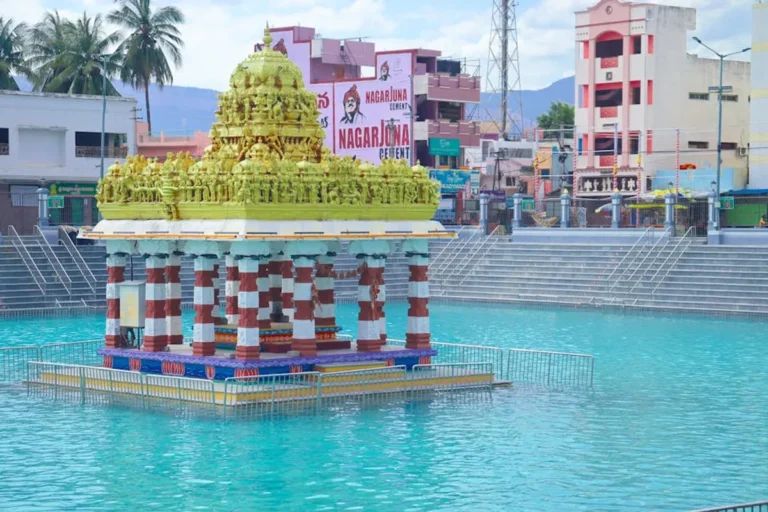
This state is a repository of ancient Dravidian culture, home to some of India's most magnificent and elaborate temple complexes. Madurai's Meenakshi Amman Temple and the Shore Temple at Mahabalipuram are architectural masterpieces. Pondicherry (Puducherry) offers a unique blend of French colonial charm and spiritual tranquility.
Best for: Temple architecture, cultural heritage, spiritual tourism.
Eastern and Central India: Untapped Beauty and Wildlife
These regions offer diverse experiences, from the cultural richness of Kolkata to the ancient caves and wildlife sanctuaries of Madhya Pradesh and the natural beauty of the Northeast.
Kolkata: Cultural Capital
Kolkata, the former capital of British India, is a city of intellectual and artistic vibrancy. Its colonial architecture, bustling markets, and renowned literary and artistic heritage offer a deep dive into Indian urban culture. Victoria Memorial and Howrah Bridge are iconic landmarks.
Best for: Urban exploration, cultural immersion, historical insights.
Madhya Pradesh: Wildlife and Ancient Art
Often called the "Heart of India," Madhya Pradesh is home to significant wildlife sanctuaries like Bandhavgarh and Kanha, known for tiger sightings. The Khajuraho Group of Monuments, a UNESCO World Heritage Site, features exquisite medieval Hindu and Jain temples famous for their intricate carvings.
Best for: Wildlife safaris, ancient art and architecture, off-the-beaten-path exploration.
Pro Tip: When planning your itinerary, consider India's diverse climate zones. The best time to visit Northern India (October to March) often coincides with cooler, drier weather, ideal for sightseeing. However, Southern India's coastal regions and Kerala's backwaters can be pleasant even during the monsoon (June to September) for those who appreciate lush landscapes and fewer crowds, provided you are prepared for rain. Aligning your travel dates with regional weather patterns significantly enhances the experience.
Key Travel Planning Considerations
Effective planning is vital for a seamless Indian journey. Beyond destination selection, logistical elements require careful attention.
- Visa Requirements: Most non-Indian nationals require a visa. The e-Visa system simplifies the application process for many countries. Apply well in advance of your travel dates.
- Health Precautions: Consult a travel doctor regarding vaccinations (e.g., typhoid, hepatitis A) and malaria prophylaxis. Carry a basic medical kit.
- Transportation:
- Flights: Domestic flights connect major cities efficiently.
- Trains: Indian Railways offers an extensive network, providing an authentic travel experience across various classes. Book well in advance, especially for popular routes.
- Road: Taxis, ride-sharing apps, and private car hires with drivers are common for inter-city travel and local sightseeing.
- Accommodation: Options range from luxury hotels and heritage properties to mid-range hotels, guesthouses, and budget hostels. Booking in advance is advisable, particularly during peak season.
- Cultural Etiquette: Dress modestly, especially when visiting religious sites. Remove shoes before entering temples or homes. Use your right hand for eating and giving/receiving items.
Maximizing Your Indian Journey
India offers a spectrum of experiences, from bustling metropolises to serene natural escapes. Prioritize your interests—whether history, spirituality, adventure, or relaxation—and allocate sufficient time to each chosen region. Research local festivals or events that might coincide with your visit for an enriched cultural experience. Flexibility in your itinerary, while maintaining core bookings, allows for spontaneous discoveries that often become the most memorable parts of the trip. Engage with local guides for deeper insights and support local economies. A well-researched approach ensures a rewarding and insightful exploration of this dynamic country.
Frequently Asked Questions
What is the best time of year to visit India?
The optimal time to visit most of India is between October and March, when the weather is generally cooler and drier. However, specific regions like the Himalayan north are best in summer (April-June), and parts of the south can be visited during the monsoon for a unique experience. However, specific regions like the Himalayas are best in summer (April-June), and parts of the south can be visited during the monsoon for a unique experience, offering different adventures.
Is India safe for solo female travelers?
While India is generally welcoming, solo female travelers should exercise caution, particularly in crowded areas or at night. It is advisable to research specific destinations, use reputable transportation, dress modestly, and inform someone of your itinerary. Many solo female travelers have positive experiences by taking sensible precautions.
How long should I plan for a trip to India?
Given India's size and diversity, a minimum of two to three weeks is recommended to experience a single region comprehensively (e.g., North India's Golden Triangle with an extension to Varanasi or Rajasthan). For a broader exploration across multiple regions, a month or more would be ideal.
What currency is used in India, and how should I manage money?
The official currency is the Indian Rupee (INR). Major credit/debit cards are accepted in cities and larger establishments. ATMs are widely available. It is advisable to carry some cash for smaller vendors, local transport, and remote areas. Exchange foreign currency at authorized centers or banks, and avoid street exchanges.