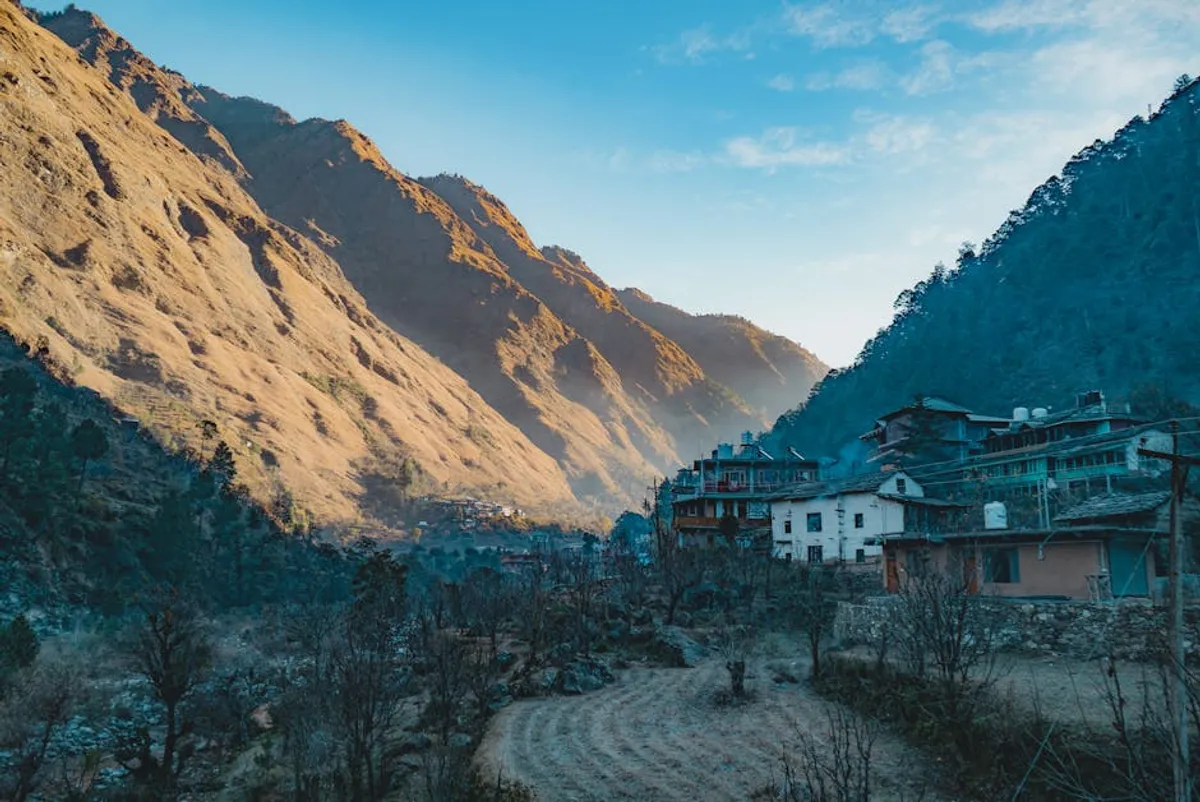
Jibhi, a quiet hamlet nestled in the Banjar Valley of Himachal Pradesh, offers a distinct alternative to more frequented hill stations. This guide focuses on providing actionable insights for travelers seeking to explore its natural beauty, cultural heritage, and serene environment. Unlike high-traffic tourist hubs, Jibhi emphasizes a slower pace, making it suitable for those prioritizing nature immersion, trekking, and local experiences. Understanding its unique appeal—from its dense pine forests and pristine Tirthan River to traditional Himachali architecture—is key to planning an itinerary that maximizes its tranquil offerings and avoids common tourist pitfalls.
Discovering Jibhi: Key Attractions and Experiences
Serolsar Lake and the Jalori Pass Trek
The journey to Serolsar Lake is a central experience for visitors to Jibhi. It begins with a drive to Jalori Pass, situated at an altitude of 10,800 feet. From the pass, a moderate 5-6 kilometer trek through dense oak and pine forests leads to the sacred Serolsar Lake. The lake is surrounded by lush greenery and holds a local legend about its perpetually clean water, maintained by a resident deity. The trek itself offers panoramic views of the Dhauladhar and Kinnaur mountain ranges, presenting specific photographic opportunities and a chance to observe diverse flora and fauna. Allow a full day for this excursion, including travel to and from Jalori Pass.
Chehni Kothi: A Glimpse into Traditional Architecture
Chehni Kothi, a towering structure built in the traditional Himachali Kath-Kuni style, stands as a testament to indigenous engineering and cultural heritage. Located near the village of Chehni, a short hike from Jibhi, this multi-storied tower was originally a fortified residence. Its construction, using alternating layers of wood and stone without cement, showcases earthquake-resistant techniques. Visitors can observe the intricate woodwork and learn about the local history and folklore associated with the structure, which now houses a temple on its upper floors. Access often involves navigating narrow village paths, providing an authentic rural experience.
The Tirthan River Valley: Angling and Riverside Activities
The Tirthan River, a vital artery of the valley, is renowned for its pristine waters and abundant trout population. This makes it a prime location for angling, particularly for brown and rainbow trout. Permits are required and can often be arranged through local guesthouses or guides. Beyond fishing, the riverside offers opportunities for leisurely walks, picnicking, and simply enjoying the sound of flowing water. Specific spots along the river are popular for their calm currents, suitable for wading or photography. The river's health is a key indicator of the valley's ecological integrity.
Shringa Rishi Temple
Dedicated to Rishi Shringa, a prominent sage in Hindu mythology, this temple is a significant religious and cultural site in the Banjar Valley. Located in the village of Bagi, a short drive from Jibhi, the temple features distinctive pagoda-style architecture common in the region. The intricate carvings and the serene atmosphere provide insight into local spiritual practices and beliefs. Attending a morning or evening aarti (prayer ritual) can offer a deeper cultural immersion. The temple complex is often surrounded by apple orchards, adding to its picturesque setting.
Jibhi Waterfall
A short, accessible walk from the main Jibhi market leads to the Jibhi Waterfall. While not a colossal cascade, its charm lies in its secluded setting amidst dense forests and the tranquil ambiance it provides. A small wooden bridge and pathways allow visitors to get close to the falls, offering a refreshing break and photo opportunities. It serves as an easy, pleasant activity, particularly for those looking for a less strenuous exploration option.
Accommodation in Jibhi: Finding Your Ideal Stay
Jibhi's accommodation landscape is characterized by its focus on local integration and natural settings, moving away from large chain hotels. Options range from rustic to comfortably modern, prioritizing an authentic experience.
Guesthouses and Homestays
Best for: Authentic local interaction, home-cooked meals, cultural immersion.
These are the predominant accommodation types in Jibhi. Many are family-run, offering insights into Himachali life. Expect simple, clean rooms, often with shared living spaces. Hosts frequently provide local cuisine, and some offer guided treks or cultural activities. Booking in advance, especially during peak season (May-June, September-October), is advisable due to limited inventory.
Riverside Cottages
Best for: Proximity to nature, tranquil environment, sound of the Tirthan River.
Several properties are situated directly on the banks of the Tirthan River. These often feature independent cottages or cabins, providing more privacy and direct access to the river. Amenities can vary, but most offer basic comforts, heating options, and often have small balconies or outdoor seating areas overlooking the water.
Eco-Resorts and Camps
Best for: Sustainable travel, unique experiences, outdoor enthusiasts.
A few establishments in and around Jibhi focus on eco-friendly practices, utilizing local materials and minimizing environmental impact. These may include glamping tents, treehouses, or cottages built with sustainable principles. They often cater to travelers interested in responsible tourism and offer activities like birdwatching, nature walks, and organic farming experiences.
Pro Tip: Due to Jibhi's remote location and limited infrastructure, cellular network coverage can be inconsistent, particularly for data services. Inform your hosts about your estimated arrival time, especially if traveling late, and download offline maps or essential contact information beforehand. Many guesthouses offer Wi-Fi, but its reliability varies.
Exploring Beyond Jibhi: Day Trips and Nearby Villages
Shoja
Located just a short drive uphill from Jibhi, Shoja offers even more breathtaking panoramic views of the surrounding valleys and mountains. It's a quieter village, known for its pristine forests, particularly the dense deodar groves. A notable viewpoint, Seraj Valley Viewpoint, provides expansive vistas. Shoja is an ideal spot for short nature walks and photography, particularly during sunrise or sunset, which paint the peaks in dramatic colors.
Gushaini and the Great Himalayan National Park
Gushaini serves as a primary gateway to the Tirthan Valley region of the Great Himalayan National Park (GHNP), a UNESCO World Heritage Site. The park is a biodiversity hotspot, home to numerous species of flora and fauna, including rare Himalayan wildlife. While core zones require permits and experienced guides for multi-day treks, day visits to the buffer zones around Gushaini offer opportunities for nature walks and birdwatching. Engaging a local guide from Gushaini is recommended for any park exploration to ensure safety and adherence to park regulations.
Practicalities for Your Jibhi Journey
Getting There
The most common approach to Jibhi is via road. The nearest major airport is Kullu-Manali Airport (Bhuntar), approximately 60 km away. From Bhuntar, taxis or local buses are available. The nearest railway station is Ambala Cantt or Chandigarh, requiring a subsequent bus or taxi journey of 8-10 hours. Direct overnight buses from Delhi to Aut tunnel are also a popular option; from Aut, local buses or shared taxis connect to Jibhi.
Best Time to Visit
- Spring (March-April): Pleasant weather, rhododendrons in bloom, ideal for trekking.
- Summer (May-June): Warm days, cool nights, popular for escaping plains heat.
- Monsoon (July-August): Lush green landscapes, but prone to landslides and heavy rain.
- Autumn (September-October): Clear skies, comfortable temperatures, apple harvesting season.
- Winter (November-February): Cold, possibility of snowfall, tranquil but limited accessibility for some treks.
Local Cuisine
Jibhi's culinary offerings are rooted in Himachali traditions, emphasizing fresh, locally sourced ingredients. Expect dishes like Siddu (steamed bread with filling), Himachali Dham (a traditional festive meal), and various lentil and vegetable preparations. Fresh trout from the Tirthan River is a local specialty. Most guesthouses provide meals, and a few small eateries in the main village offer basic Indian and sometimes limited continental options.
Planning Your Jibhi Adventure
Successful travel to Jibhi hinges on embracing its essence as a tranquil, nature-focused destination. Prioritize comfortable walking shoes, layers of clothing for varying temperatures, and a reliable power bank given potential electricity fluctuations. Engaging with local communities, respecting their customs, and supporting local businesses directly enhances the travel experience and contributes to sustainable tourism in the region. Always confirm transport schedules and accommodation details, especially if traveling during off-peak seasons or with specific requirements. Jibhi offers a distinct escape, rewarding those who seek quietude and direct engagement with the Himalayan environment.
Frequently Asked Questions About Jibhi
Is Jibhi suitable for families with young children?
Jibhi can be suitable for families, particularly those who enjoy nature walks and a calm environment. However, some treks might be challenging for very young children, and amenities like large playgrounds are absent. Homestays often offer a family-friendly atmosphere.
What is the typical budget for a trip to Jibhi?
A moderate budget for Jibhi typically ranges from INR 1,500 to 3,000 per person per day, covering basic accommodation, meals, and local transport. This can vary significantly based on accommodation choice, dining preferences, and activities like guided treks or angling.
Are there ATMs or medical facilities in Jibhi?
Jibhi has limited ATM access, and they may not always be operational. It is advisable to carry sufficient cash. For medical facilities, there is a primary health center in Banjar, about 10 km away, for basic needs. For more serious conditions, Kullu or Mandi offer better facilities.
Is it necessary to book accommodation in advance?
Booking accommodation in advance is strongly recommended, especially during peak tourist seasons (May-June and September-October) and long weekends. Jibhi has a limited number of guesthouses and homestays, and popular options fill up quickly.