
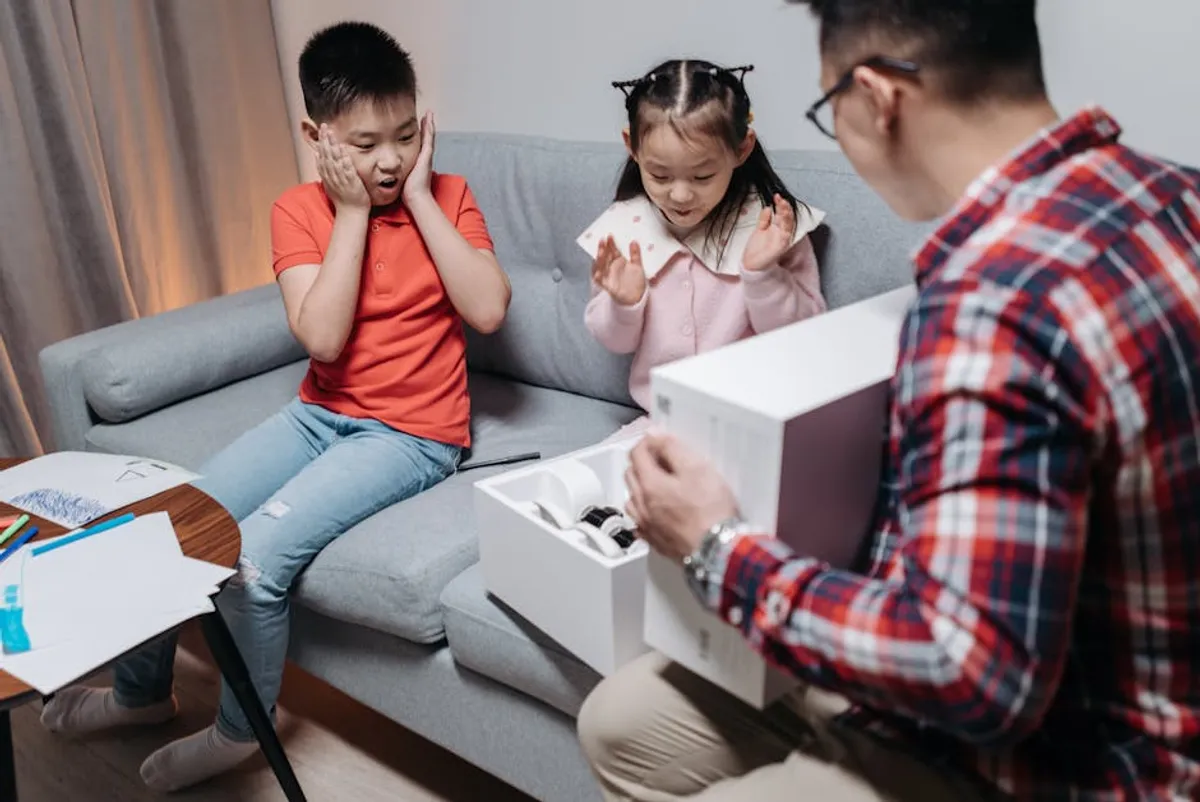
Identifying impactful gift ideas for children requires more than compiling a generic list; it demands an understanding of buyer intent, developmental stages, and the commercial landscape. For content creators, marketers, and publishers, the goal is to provide specific, actionable recommendations that resonate with parents, grandparents, and other gift-givers actively seeking solutions. This involves segmenting the market, understanding the underlying value propositions of different gift types, and presenting them in a manner that guides purchase decisions effectively.
Segmenting the Kids' Gift Market
The "kids' gift" market is not monolithic. Effective content targets specific age ranges, interests, and developmental goals. For instance, a gift guide for a 3-year-old differs significantly from one for a 10-year-old, not just in product type but also in the language and benefits highlighted. Content should address the primary concerns of the buyer, whether it's fostering educational growth, encouraging physical activity, or simply providing entertainment. Understanding these nuances allows for the creation of highly relevant content that captures specific long-tail search queries and drives commercial engagement.
Age-Specific Targeting
Content focused on gifts for toddlers (1-3 years) often emphasizes sensory exploration, motor skill development, and safety. For preschoolers (3-5 years), imaginative play, early literacy, and social skills become central. School-aged children (6-10 years) benefit from gifts that challenge cognitive abilities, encourage hobbies, or facilitate independent exploration. Pre-teens (11-13 years) often seek gifts that align with emerging identities, social trends, or more complex skill development, such as coding or advanced crafting. Tailoring recommendations to these distinct developmental stages is critical for relevance.
Core Categories for Kids' Gift Content
Effective gift idea content typically organizes recommendations into categories that align with common parental and child interests. These categories provide structure for buyers and allow content creators to highlight specific benefits.
Educational & STEM Focus
These gifts are designed to stimulate intellectual curiosity and develop critical thinking skills. Examples include robotics kits that introduce basic engineering principles, chemistry sets for hands-on experimentation, or coding games that teach foundational programming logic.
Commercial Angle: Highlight specific learning outcomes. For instance, a "build-your-own-robot" kit offers not just entertainment but also problem-solving practice and an introduction to STEM concepts, appealing to parents prioritizing academic enrichment. Focus on the longevity of engagement and the potential for skill development.
Creative & Artistic Expression
Gifts in this category encourage imagination, fine motor skills, and self-expression. This includes comprehensive art supply kits with various mediums (paints, pastels, clay), advanced craft projects like jewelry making or pottery wheels, or musical instruments designed for beginners.
Commercial Angle: Emphasize the unique output and personal development. A "deluxe watercolor set" suggests a higher quality experience than basic crayons, appealing to buyers looking for gifts that foster genuine artistic talent or provide a calming, focused activity.
Outdoor & Active Play
These gifts promote physical activity, coordination, and exploration. Examples range from high-quality scooters and bicycles, sports equipment tailored for specific age groups (e.g., junior golf clubs, adjustable basketball hoops), to outdoor adventure kits for nature exploration.
Commercial Angle: Focus on health benefits, energy release, and durability. A "sturdy, adjustable scooter" appeals to parents seeking durable items that grow with the child and encourage outdoor time, contrasting with less robust, short-lived alternatives.
Imaginative & Role-Playing
Gifts that facilitate imaginative scenarios and role-playing help develop social skills, empathy, and narrative abilities. This encompasses elaborate dollhouses with detailed accessories, comprehensive dress-up collections for various professions or fantasy characters, or puppet theaters with diverse character sets.
Commercial Angle: Highlight the open-ended play value and narrative potential. A "multi-room dollhouse with furniture" offers sustained engagement and encourages storytelling, presenting a more valuable proposition than single-purpose toys.
Personalized & Keepsake Options
These gifts offer a unique touch, often becoming cherished mementos. Examples include custom-illustrated storybooks where the child is the hero, engraved jewelry or watches, or custom-made blankets and plush toys.
Commercial Angle: Emphasize sentimentality and exclusivity. A "personalized adventure book" provides a unique, memorable experience that standard toys cannot replicate, appealing to buyers seeking a special, lasting gift.
Key Considerations for Curating Gift Ideas
Beyond categorization, several factors influence the perceived value and commercial viability of a gift recommendation. Content creators must consider these elements to build trust and drive conversions.
- Safety Standards: Clearly indicate compliance with relevant safety certifications (e.g., ASTM, CE). This builds trust and addresses a primary parental concern.
- Durability & Quality: Highlight materials, construction, and expected lifespan. Gifts that withstand rigorous play offer better long-term value.
- Developmental Benefits: Explicitly state how a gift supports cognitive, physical, or emotional growth. This justifies the purchase beyond mere entertainment.
- User Reviews & Ratings: Integrate social proof where possible, referencing positive feedback on engagement, quality, or educational value.
- Value for Money: Position gifts not just by price point, but by the play value, educational impact, or longevity they offer. A higher-priced item can be justified if its benefits are clearly articulated.
Pro Tip: When creating gift guides, move beyond simple product aggregation. Justify each inclusion with specific benefits—e.g., 'This robotics kit develops problem-solving skills through modular construction'—to provide genuine value and differentiate your recommendations. This depth converts browsers into buyers.
Developing High-Impact Gift Content Strategies
To maximize the commercial utility of kids' gift idea content, integrate these strategies:
- Keyword Integration: Research and incorporate long-tail keywords specific to age groups, interests (e.g., "gifts for 7 year old aspiring astronaut"), and occasions (e.g., "birthday gifts for creative kids").
- Visual Content: High-quality images and short videos demonstrating the gift in use are crucial. Show children interacting with the product to illustrate engagement and scale.
- Comparative Analysis: For higher-ticket items, offer brief comparisons of similar products, highlighting differentiating features and price points to aid decision-making.
- Call-to-Action Clarity: Ensure clear, prominent links to purchase options. Consider linking to multiple retailers if available to offer choice and competitive pricing.
- Seasonal Relevance: Update gift guides seasonally (e.g., holiday gifts, summer activities, back-to-school essentials) to maintain freshness and topical authority.
By focusing on these detailed aspects, content around kids' gift ideas transforms from a basic list into a valuable resource for gift-givers, driving both user engagement and commercial outcomes. This strategic approach helps establish authority and can be further enhanced by offering a beginner's guide to kids' gift ideas.
Frequently Asked Questions About Kids' Gift Ideas
How do I ensure gift ideas are age-appropriate?
Always check manufacturer recommendations for age ranges. Beyond that, consider the developmental milestones common for that age group—motor skills, cognitive abilities, and social development—to ensure the gift is engaging and safe without being overly challenging or simplistic.
What role do trends play in kids' gift content?
Trends can drive significant short-term interest and search volume. Incorporating popular characters, themes, or toy types can boost visibility. However, balance trendy items with evergreen classics that offer lasting play value to maintain content relevance over time.
How can I make my gift idea content stand out commercially?
Focus on specific, actionable benefits and unique selling points for each item. Provide context on why a particular gift is superior or ideal for a specific child. Integrate strong visuals, genuine reviews, and clear calls to action to guide buyers effectively.
Should I include gifts across all price points?
Yes, offering a range of price points—from budget-friendly options to premium items—caters to a wider audience and various buying capacities. Clearly segmenting by price can help users quickly find suitable options, enhancing the commercial utility of your content.