
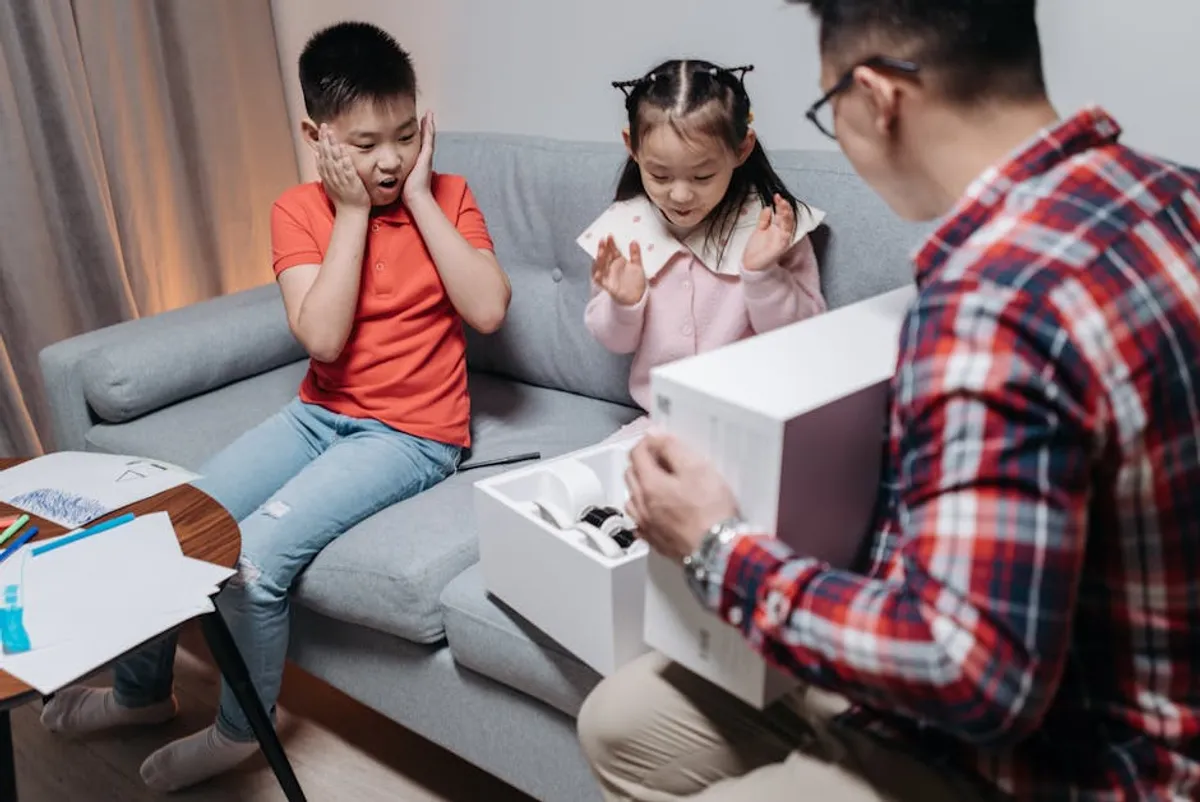
Choosing the right gift for a child often feels like navigating a complex marketplace, fraught with fleeting trends, safety concerns, and the ever-present desire to spark genuine joy and engagement. A beginner's guide to kids' gift ideas moves beyond simply picking an item from a shelf; it involves understanding developmental stages, individual interests, and the long-term value of play. The goal is to select a present that not only delights upon opening but also provides lasting entertainment, fosters skill development, or creates memorable experiences. This approach ensures your gift is both thoughtful and effective, avoiding the common pitfall of a toy quickly discarded.
Understanding Age-Appropriate Gifting
The fundamental principle of successful kids' gifting lies in understanding the developmental milestones associated with different age groups. A gift that is too advanced can lead to frustration, while one that is too simple may quickly lose interest. Matching the gift to the child's current stage maximizes its play potential and developmental benefits.
Infants (0-12 months): Sensory Exploration and Safety
For infants, gifts should focus on stimulating their senses and encouraging early motor skills. Items that are safe for mouthing, easy to grasp, and offer varied textures, sounds, or visual contrasts are ideal. Think soft rattles, crinkly books, unbreakable mirrors, or activity mats. Safety is paramount; ensure all components are securely attached, non-toxic, and free from small parts that could pose a choking hazard.
Toddlers (1-3 years): Motor Skill Development and Imaginative Play
Toddlers are rapidly developing gross and fine motor skills. Gifts that encourage movement, like push-and-pull toys, simple ride-ons, or stacking blocks, are excellent. This age group also begins to engage in rudimentary imaginative play, making items like baby dolls, play food, or chunky animal figures highly engaging. Durability is a key consideration, as toddlers often test the limits of their possessions.
Preschoolers (3-5 years): Social Skills and Creativity
Preschoolers are refining their fine motor skills, expanding their vocabulary, and starting to engage in more complex social play. Gifts that support creativity, such as art supplies (crayons, washable paints, large paper), building sets with larger pieces, or dress-up clothes, are well-received. Simple board games that teach turn-taking and basic rules also align with their developing social understanding.
Early School Age (5-8 years): Learning and Problem-Solving
Children in this age range are often curious about how things work and enjoy challenges. Gifts that promote learning, such as science kits, beginner chapter books, or construction sets with more intricate designs, are appropriate. Outdoor equipment like bicycles or sports gear also taps into their increasing physical coordination and desire for active play.
Pre-Teens (8-12 years): Hobbies, Independence, and Strategic Thinking
Pre-teens often develop specific hobbies and interests. Gifts that support these passions, whether it's art supplies for a budding artist, advanced building kits, coding games, or more complex strategy board games, are highly valued. Items that foster a sense of independence, like journals, age-appropriate craft kits, or even contributions towards a larger desired item, can also resonate.
Beyond Age: Considering the Child's Interests and Personality
While age is a crucial starting point, a truly successful gift aligns with the individual child's unique personality and current fascinations. Overlooking this can result in a perfectly age-appropriate item gathering dust.
The "Obsession" Factor: Tapping into Current Fascinations
Observe what captures the child's attention. Do they talk incessantly about dinosaurs, space, a particular fictional character, or animals? Gifts related to these "obsessions" demonstrate you've listened and paid attention. This personal connection elevates the gift beyond its material value.
Active vs. Creative: Matching Play Style
Some children are naturally drawn to physical activity, while others prefer quiet, focused creative pursuits. An active child might appreciate outdoor sports equipment, a scooter, or a fort-building kit. A creative child might thrive with an elaborate art set, a musical instrument, or a detailed craft project. Matching the gift to their dominant play style ensures greater engagement.
Learning Styles: Hands-on, Visual, Auditory
Consider how a child best absorbs information and interacts with the world. Kinesthetic learners benefit from hands-on construction toys or science experiments. Visual learners might enjoy detailed books, puzzles, or art kits. Auditory learners could appreciate musical instruments, audiobooks, or storytelling games. While not always obvious, a parent can often provide insight into these preferences.
Prioritizing Quality and Durability
A well-made gift offers longevity, stands up to enthusiastic play, and often provides a better play experience. Investing in quality components also frequently correlates with safety standards.
- Material Composition: Look for non-toxic, lead-free, and phthalate-free materials, especially for younger children. Wood, high-grade plastics, and organic fabrics are often indicators of quality.
- Construction: Examine seams, fasteners, and moving parts. Are they securely attached? Do they operate smoothly? Toys with robust construction are less likely to break quickly.
- Safety Certifications: Check for relevant safety certifications for your region, which indicate the product has met specific safety standards.
- Longevity of Play: Quality often means the item can withstand repeated use and potentially be passed down or repurposed, extending its value beyond initial play.
The Value of Open-Ended Play
Open-ended toys are those that can be played with in multiple ways, without a single defined outcome. They encourage creativity, problem-solving, and imaginative thinking, often providing more sustained engagement than single-purpose items.
Examples include: Building blocks (wooden, magnetic, or interlocking), art supplies, play-dough, dress-up clothes, simple figurines, or natural materials like sand and water tables. These gifts empower children to direct their own play narratives.
Gifting Experiences Over Objects
In an age of accumulating possessions, an experience gift can stand out, offering lasting memories rather than just another item. These gifts often foster family bonding or introduce children to new interests.
Consider: Tickets to a local children's museum, zoo, aquarium, or a theatrical performance. Enrollment in a short-term class (e.g., beginner art, music, or sports). A membership to a science center or nature preserve. Even a planned outing, like a day trip to a special park or a picnic with a new kite, can be a cherished experience.
Pro Tip: When gifting an experience, consider including a small, related physical item. For example, if gifting zoo tickets, include a small plush animal or an animal-themed book. This provides something tangible to open and hints at the upcoming adventure, enhancing the anticipation.
Practical Wrap-Up: Making Your Selection
Approaching kids' gift-giving with a structured mindset can transform a potentially overwhelming task into a rewarding one. Begin by considering the child's age for developmental appropriateness, then layer in their unique interests and personality. Prioritize gifts that offer durability, encourage open-ended play, and potentially provide enriching experiences. A thoughtful selection process ensures your gift brings genuine joy and contributes positively to the child's world.
Frequently Asked Questions
How do I avoid buying duplicates, especially if I don't know what the child already owns?
The most effective method is to ask the parents directly, or if there's a gift registry, consult that. If direct inquiry isn't possible, consider gifts that are consumable (art supplies, craft kits), experience-based (tickets, classes), or open-ended items like building blocks that complement existing sets rather than duplicate them.
What if I don't know the child well, such as for a distant relative or classmate's party?
In these situations, opt for universally appealing and age-appropriate gifts that encourage creativity or learning. Books, art supplies, classic board games, or gift cards to a bookstore or toy store are safe and often appreciated choices. Focus on general developmental stages rather than specific interests.
Are educational toys always the best choice for children?
While educational toys offer clear benefits, the "best" choice is one that engages the child. A toy labeled "educational" but ignored by the child offers no value. Prioritize toys that spark curiosity, encourage imaginative play, and align with the child's interests, whether they are explicitly educational or simply foster joy and exploration.
Should I always ask the parents for specific gift ideas?
Asking parents for ideas is often helpful and appreciated, as it ensures the gift is wanted, age-appropriate, and avoids duplicates. It also provides insight into current needs or preferences. If you prefer to surprise them, you can ask for general guidance on the child's current interests or developmental stage without requesting specific items.