
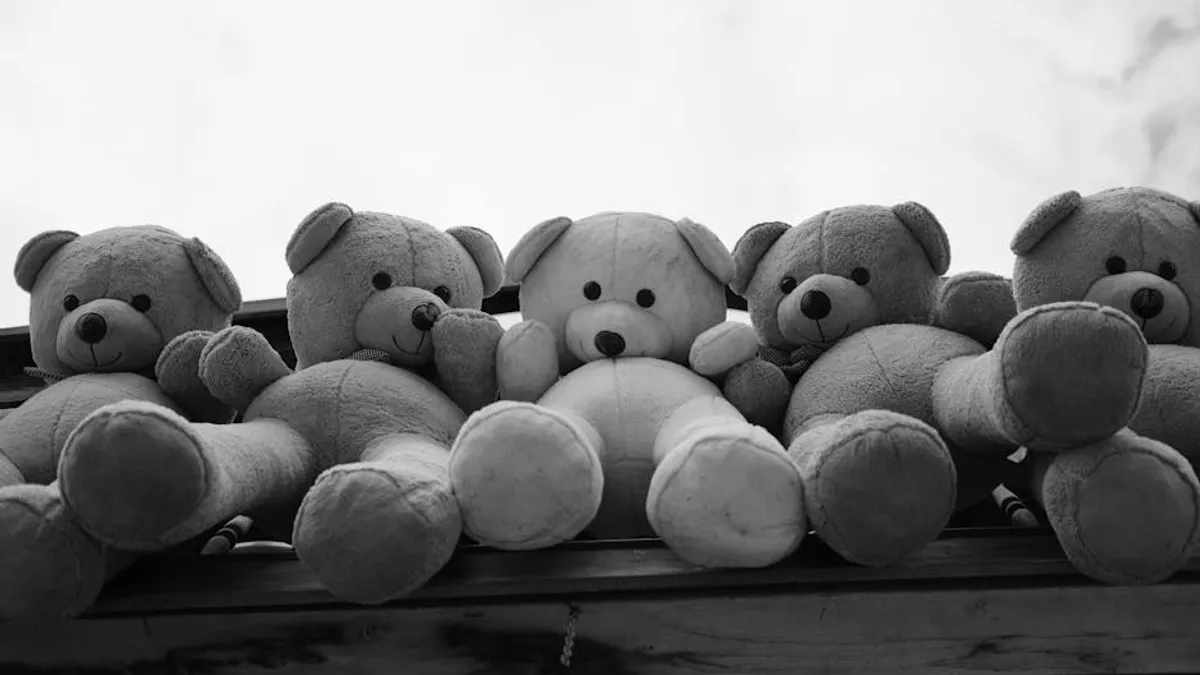
Teddy bear gifts occupy a unique and enduring position within the broader gifting landscape, transcending simple merchandise to become significant emotional conduits. Their commercial efficacy stems from a blend of inherent sentimental value, broad appeal across demographics and occasions, and adaptability through customization and thematic variations. Understanding how this product category functions requires examining its psychological underpinnings, market segmentation, and strategic commercial applications, moving beyond the perception of a mere children's toy to a sophisticated, versatile gift item. A comprehensive teddy bear gifts overview reveals their enduring appeal and strategic market positioning.
Understanding the Emotional Core of Teddy Bear Gifting
The primary mechanism driving the success of teddy bear gifts is their profound emotional resonance. Unlike many transactional gifts, a teddy bear often symbolizes comfort, affection, nostalgia, and security. This emotional connection is not accidental; it is cultivated through design, material choice, and the context of gifting. Buyers often select teddy bears not just for their aesthetic appeal, but for the feelings they evoke in the recipient, whether it's a child seeking companionship, an adult recalling childhood memories, or someone needing solace during a difficult time.
This inherent emotional value provides a significant commercial advantage. It allows for premium pricing in certain segments and fosters strong brand loyalty when quality and sentiment align. Marketers leverage this by crafting narratives around comfort, care, and lasting memories, positioning teddy bears as more than just objects, but as tangible expressions of sentiment.
Versatility in Gifting Occasions and Recipient Demographics
Teddy bear gifts work across an unusually wide spectrum of occasions and recipient profiles. They are not confined to children's birthdays but extend to:
- Celebratory Events: Births, graduations, anniversaries, promotions.
- Comfort and Sympathy: Hospital stays, bereavement, difficult transitions.
- Romantic Gestures: Valentine's Day, dating milestones, expressions of love.
- Seasonal and Holiday Giving: Christmas, Easter, Mother's Day, often with specific thematic designs.
- Corporate and Professional: Employee appreciation, client gifts, event souvenirs.
This broad applicability means that the market for teddy bear gifts is consistently active throughout the year, allowing for diverse product lines and targeted marketing campaigns tailored to specific events and emotional needs. The ability to cater to both children and adults, and to convey messages ranging from joy to solace, underpins their commercial resilience. This consistent demand also fuels evolving teddy bear gift trends that retailers closely monitor.
Key Market Drivers and Product Differentiation
The commercial viability of teddy bear gifts is also shaped by how products are differentiated and positioned within the market. This involves careful consideration of materials, design, and customization options.
Materiality and Craftsmanship Standards
The tactile experience of a teddy bear is paramount. High-quality materials, such as plush fabrics, durable stitching, and safe fillings, contribute directly to the perceived value and longevity of the gift. Compliance with safety standards (e.g., for child-safe toys) is non-negotiable, influencing consumer trust and market access. Brands that prioritize ethical sourcing and robust manufacturing processes can command higher price points and build reputations for quality and reliability. The choice of material also dictates the bear's "feel"—from ultra-soft, luxurious textures to more rustic, traditional finishes—allowing for segmentation into different price and aesthetic categories.
Customization and Thematic Appeal
Personalization significantly enhances the gift value of teddy bears. Options range from embroidered names or messages on paws or clothing, to selecting specific outfits or accessories that reflect a recipient's hobbies, profession, or a particular event. This transforms a generic item into a unique, thoughtful keepsake. Thematic bears, such as those dressed for specific holidays, professions (e.g., doctor bears, graduation bears), or licensed characters, tap into niche markets and seasonal trends, driving impulse purchases and collector interest.
The ability to offer bespoke elements allows businesses to differentiate their offerings in a crowded market, moving beyond mass-produced items to provide more meaningful, higher-margin products.
Pro Tip: Businesses in the teddy bear gift market must meticulously manage intellectual property rights. Utilizing licensed characters or designs without proper agreements can lead to significant legal and financial repercussions. Always ensure all character designs, branding, and thematic elements are either proprietary or used under a valid, documented license.
Commercial Applications Across Sectors
Teddy bear gifts extend their utility far beyond direct consumer sales, finding effective application in various commercial and charitable contexts.
Corporate and Event Gifting
For businesses, branded teddy bears serve as effective promotional items or corporate gifts. They can be customized with company logos or colors, offering a soft, memorable touchpoint for clients, employees, or event attendees. This strategy leverages the inherent positive associations of teddy bears to foster goodwill and brand recall, particularly in sectors where a friendly, approachable image is beneficial. At events like conferences, product launches, or company anniversaries, a well-designed, branded teddy bear can become a cherished souvenir.
Charitable and Collectible Markets
Teddy bears are frequently used in fundraising efforts for charities, often as incentives for donations or as direct sales items where proceeds benefit a cause. Their universal appeal makes them effective tools for emotional engagement in charity campaigns. Additionally, limited edition or artist-designed teddy bears cater to the collectible market, where rarity, craftsmanship, and brand reputation drive premium pricing and sustained interest from dedicated collectors. This segment operates on principles similar to art or antique markets, where provenance and condition significantly impact value.
Optimizing Distribution and Marketing Strategies
Effective commercial operation in the teddy bear gift market hinges on strategic distribution and targeted marketing that recognizes the product's emotional core.
Channel Selection and Reach
Distribution for teddy bear gifts typically involves a multi-channel approach:
- Online Retail: E-commerce platforms (both proprietary and third-party marketplaces) offer global reach, detailed product descriptions, and extensive customization options. High-quality photography and customer reviews are critical here.
- Brick-and-Mortar Specialty Stores: These provide a tactile experience, allowing customers to feel the materials and assess craftsmanship firsthand, which is crucial for an emotionally driven purchase.
- Wholesale Partnerships: Supplying gift shops, florists, hospital gift stores, and event planners expands market penetration without direct retail overhead.
Each channel requires tailored inventory management and marketing efforts to maximize sales and reach specific customer segments.
Brand Storytelling and Audience Targeting
Marketing campaigns for teddy bear gifts are most effective when they focus on storytelling that evokes emotion and highlights the unique aspects of the product. This includes narratives about the bear's origin, the craftsmanship involved, or the specific memories it's designed to create. Segmenting the audience—e.g., parents buying for children, partners buying for anniversaries, companies buying for corporate events—allows for highly targeted messaging and creative content that resonates directly with specific buyer motivations.
Strategic Considerations for the Teddy Bear Gift Market
Success in the teddy bear gift market requires continuous attention to product quality, ethical manufacturing, and responsive marketing. Businesses must remain attuned to evolving consumer preferences for sustainable materials, personalized options, and unique designs. Leveraging data analytics to understand purchasing patterns and seasonal demand can optimize inventory and inform product development. Ultimately, the enduring appeal of teddy bear gifts lies in their capacity to embody and convey deep emotional value, a factor that should guide all commercial decisions from design to distribution.
Frequently Asked Questions
What makes teddy bear gifts commercially effective?
Their commercial effectiveness stems from their strong emotional resonance, versatility across numerous gifting occasions, and the ability to personalize them, which creates a deeper connection with recipients and justifies premium pricing.
How important is customization for teddy bear gifts?
Customization is highly important as it transforms a generic item into a unique, personal keepsake. Options like embroidered messages, personalized outfits, or themed designs significantly enhance value and differentiate products in a competitive market.
What are the primary distribution channels for teddy bear gifts?
Primary channels include online retail platforms for broad reach and customization, brick-and-mortar specialty stores for a tactile experience, and wholesale partnerships to supply other businesses like gift shops and event planners.
Can teddy bear gifts be used for corporate purposes?
Yes, branded teddy bears are effective for corporate gifting, employee appreciation, and as promotional items at events. They convey a friendly brand image and create memorable, positive associations for clients and staff.