
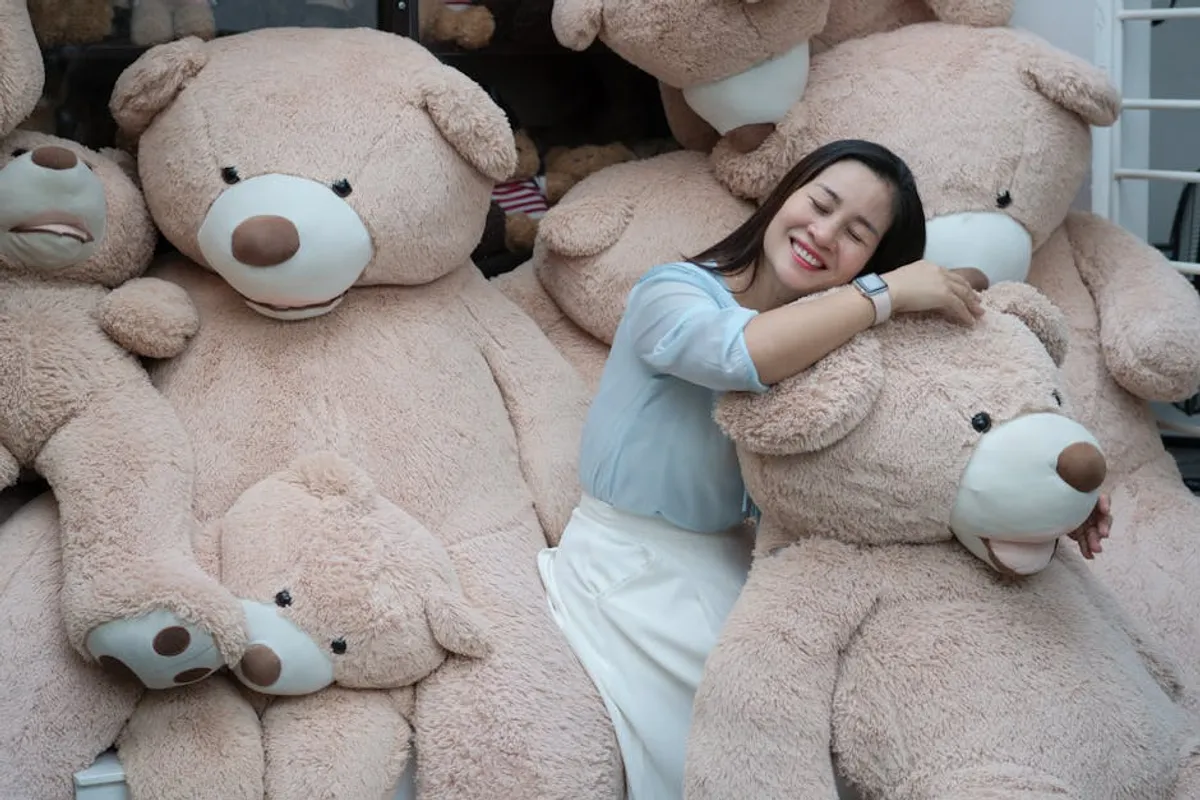
The market for teddy bear gifts, often perceived as traditional, is undergoing dynamic shifts driven by evolving consumer preferences and innovative product development. For businesses operating in this space, identifying and adapting to these emerging trends is not merely about staying current; it’s about unlocking new revenue streams, strengthening brand loyalty, and capturing market share in increasingly specialized niches. Understanding these shifts allows for strategic product development, targeted marketing campaigns, and optimized inventory management, moving beyond generic offerings to meet precise buyer demands. Keeping up with the latest teddy bear gifts trends is key for businesses aiming to thrive in this evolving market.
The Rise of Personalized Plush Experiences
Personalization has moved beyond a niche offering to a significant driver in the teddy bear gift market. Consumers are increasingly seeking unique items that reflect the recipient's individuality or commemorate a specific event. This trend elevates a simple gift into a cherished keepsake, justifying a higher price point and fostering a stronger emotional connection with the product.
Beyond Monograms: Deeper Customization
While embroidered names or dates remain popular, personalization now extends to more intricate options. This includes custom voice recordings embedded within the bear, allowing a sender to convey a personal message that plays upon squeezing the toy. Another growing area involves bespoke outfits or accessories that reflect a hobby, profession, or favorite sports team. For businesses, offering a modular system where customers can select various components—bear type, outfit, accessories, and message—can significantly increase average order value and perceived product uniqueness. This also opens up long-tail keyword opportunities for search visibility, such as "custom nurse teddy bear" or "personalized graduation plush with voice message."
Pro Tip: When integrating personalization options, ensure your e-commerce platform can handle complex configurations seamlessly. A clunky customization process can deter buyers, even if the end product is desirable. Clear visual previews of personalized items are crucial for conversion rates.
Sustainability as a Core Value
Environmental consciousness is no longer a fringe concern; it's a mainstream purchasing driver, particularly among younger demographics and parents. The demand for sustainable and ethically produced goods has permeated the toy and gift sector, making eco-friendly teddy bears a compelling market segment.
Material Innovation and Ethical Sourcing
This trend manifests in several ways: the use of recycled materials (e.g., polyester made from recycled plastic bottles), organic cotton, or natural fibers for stuffing and outer fabrics. Furthermore, transparency in the supply chain, including fair labor practices and reduced carbon footprints, is becoming a key differentiator. Businesses that can authentically communicate their commitment to sustainability—through certifications, clear sourcing information, and impactful storytelling—can command premium pricing and attract a loyal customer base. This also provides rich content opportunities for blog posts and product descriptions, engaging searchers looking for "eco-friendly gifts" or "sustainable plush toys."
Nostalgia and Collectibility
The enduring appeal of classic teddy bear designs, reminiscent of childhood or simpler times, continues to resonate strongly. This trend taps into a powerful emotional connection, often appealing to adult gift-givers who seek to evoke sentimental memories or share a piece of their past.
Tapping into Sentimental Value
Vintage-inspired designs, traditional mohair or alpaca fur textures, and limited-edition releases that mimic historical styles are particularly effective. These bears are often purchased not just as toys, but as decorative items, collectibles, or heirloom gifts. Marketing these products involves emphasizing craftsmanship, heritage, and the story behind the design. Collaborations with heritage brands or artists can further enhance collectibility. SEO efforts should focus on terms like "vintage style teddy bear," "collectible plush," or "traditional stuffed animal," targeting an audience interested in quality and lasting value.
Licensing and Pop Culture Integration
The power of popular culture to drive sales is undeniable. Teddy bears featuring beloved characters from movies, television shows, video games, or comic books offer an immediate connection with established fan bases, simplifying the gift-giving decision.
Leveraging Established Fan Bases
Official licensing agreements allow brands to produce teddy bears designed as, or dressed as, iconic characters. This strategy capitalizes on pre-existing emotional attachments and brand recognition, significantly reducing marketing friction. Limited-edition releases tied to new movie premieres or anniversaries of popular franchises can create urgency and drive rapid sales. Businesses should carefully consider the licensing costs versus the potential market reach and align with franchises that resonate with their target demographic. This trend naturally generates high-volume search queries for specific character names combined with "teddy bear" or "plush toy."
Interactive and Sensory Experiences
Beyond visual appeal, teddy bears are increasingly designed to engage multiple senses, offering enhanced comfort, therapeutic benefits, or interactive play.
More Than Just a Toy: Therapeutic Applications
This includes weighted teddy bears, which provide deep pressure stimulation often used for anxiety relief or sensory processing support. Heatable or coolable bears offer comfort for aches or fevers. Some bears incorporate sound modules for lullabies or white noise, aiding sleep. Others feature varied textures (e.g., silky ears, corduroy paws) to stimulate tactile senses. These products cater to specific needs, expanding the market beyond traditional gift-giving to therapeutic or developmental applications. Marketing should highlight these functional benefits, targeting audiences searching for "weighted anxiety bear," "sensory plush toy," or "heatable comfort bear."
Key considerations for integrating sensory features:
- Safety Standards: Ensure all components meet stringent safety regulations, especially for products intended for children or therapeutic use.
- Durability: Interactive elements must withstand repeated use without compromising the bear's integrity.
- Ease of Use: Features like heating packs or sound modules should be simple and intuitive for the end-user.
- Market Research: Identify specific therapeutic needs or sensory preferences within your target audience to develop relevant products.
Strategic Gifting Opportunities
The "why" behind a teddy bear purchase is often as important as the "what." Businesses are increasingly segmenting their offerings to align with specific life events and gifting occasions, maximizing relevance and conversion.
Segmenting for Specific Milestones
This involves designing or marketing teddy bears specifically for events like graduations, new baby arrivals, sympathy, anniversaries, or even corporate gifts. For example, a bear wearing a tiny graduation cap, a plush designed for a baby shower, or a subtle, comforting bear for a bereavement gift. By creating distinct product lines or marketing campaigns for these occasions, businesses can directly address the intent of a gift-giver. This strategy requires understanding seasonal demand and aligning inventory and promotional efforts accordingly. Keywords for these segments are highly specific, such as "graduation teddy bear gift," "newborn baby plush," or "sympathy comfort bear."
Adapting to Evolving Consumer Preferences
The teddy bear gift market, while rooted in tradition, is far from stagnant. The trends towards personalization, sustainability, nostalgia, licensed characters, and sensory features are not isolated phenomena but interconnected reflections of broader consumer values. For businesses, the actionable takeaway is to move beyond a one-size-fits-all approach. Evaluate your current product lines for opportunities to integrate these trends, whether through new product development, strategic partnerships, or refined marketing messages. Regularly analyze customer feedback and market data to identify which trends resonate most strongly with your specific audience segments. Proactive adaptation ensures not only continued relevance but also sustained growth in a competitive landscape.
Common Questions on Teddy Bear Gift Trends
What is the most impactful trend for increasing sales?
Personalization often yields the highest increase in average order value and perceived value, as it allows customers to create a unique, emotionally resonant item. However, sustainability and licensed characters can drive significant volume due to broader market appeal or established fan bases.
How can small businesses compete with larger brands on these trends?
Small businesses can focus on niche personalization options, hyper-local ethical sourcing stories, or unique vintage designs that larger brands might overlook due to scalability challenges. Authenticity and direct customer engagement are key differentiators.
Are these trends short-lived fads or long-term shifts?
While specific licensed characters may have limited lifespans, the underlying trends of personalization, sustainability, and the desire for emotional connection and unique experiences are long-term shifts in consumer behavior across many product categories, including gifts.
What's the first step to incorporating these trends into my product line?
Begin with market research to identify which trends align best with your existing brand identity and target audience. Consider a pilot program with a limited range of personalized or sustainable options to gauge customer interest before a full-scale launch.