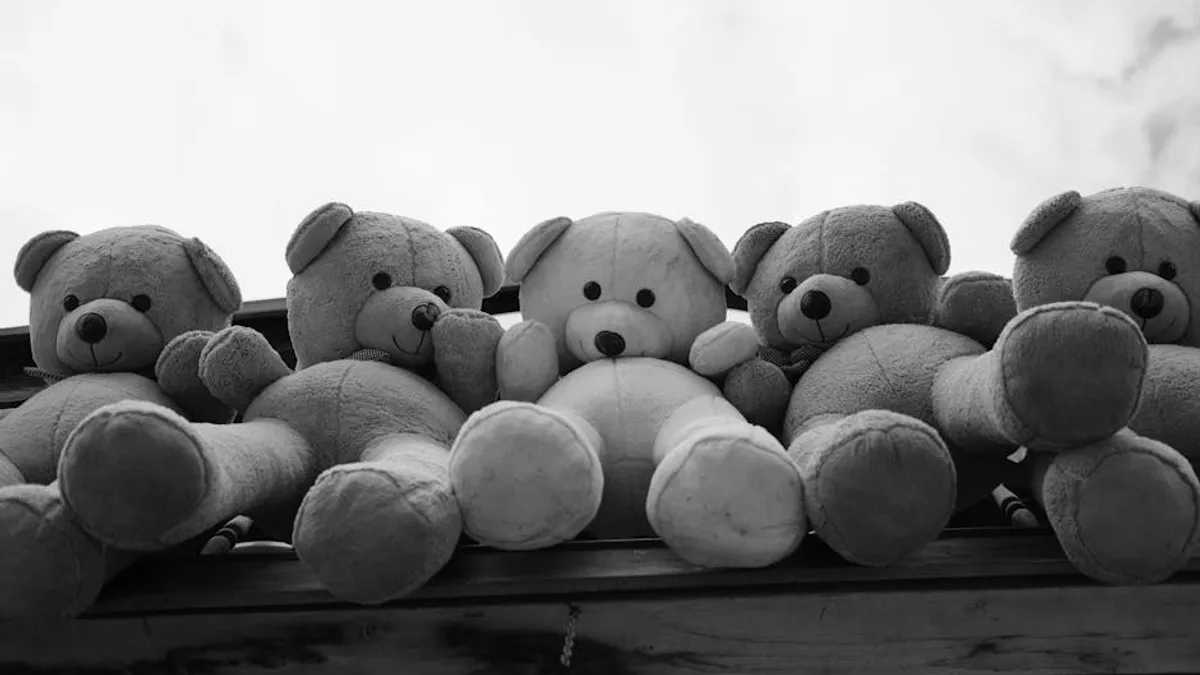
Choosing a teddy bear as a gift involves more than selecting a cute plush toy; it requires a strategic consideration of the recipient, the occasion, and the enduring value the item will convey. The objective is to deliver a tangible expression of sentiment that resonates deeply, ensuring the gift moves beyond a fleeting novelty to become a cherished keepsake. This requires evaluating material integrity, design relevance, and personalization potential, all while aligning with a defined budget.
Understanding Recipient and Occasion Context
The efficacy of any gift hinges on its relevance to the individual receiving it and the specific event it commemorates. For teddy bear gifts, this means moving beyond generic appeal to pinpoint features that create a tailored, memorable experience. If you're looking for more details, consider a complete overview of teddy bear gifts to ensure you find the perfect item.
Age and Developmental Stage
For infants and toddlers, safety is paramount. Plush toys must meet stringent safety standards, featuring securely attached eyes and noses, no small detachable parts, and hypoallergenic materials. Soft, washable fabrics are essential for hygiene. For older children, the focus shifts to imaginative play and durability. Bears with articulated limbs, varied textures, or those representing specific characters can enhance engagement. Adult recipients often appreciate bears with a vintage aesthetic, premium materials, or those that evoke nostalgia, serving more as decorative or sentimental objects than playthings. The design complexity and material robustness should scale with the recipient's age and intended interaction.
Personal Preferences and Interests
A teddy bear can become a highly personal gift by reflecting the recipient's hobbies, favorite colors, or even their profession. Consider bears dressed in specific uniforms, holding miniature instruments, or wearing accessories that hint at a passion. A bear in a doctor's scrub for a medical graduate, or one with a tiny paintbrush for an artist, demonstrates thoughtful consideration. This layer of personalization elevates the gift from a generic item to a bespoke token.
Thematic Relevance for Occasions
The occasion dictates the bear's thematic presentation. For birthdays, a festive bear with a party hat or cupcake can be appropriate. Valentine's Day calls for bears with hearts or romantic messaging. Graduation bears might wear caps and gowns. For memorial or sympathy gifts, a simple, classic bear in muted tones can offer comfort without being overly celebratory. Aligning the bear's aesthetic with the event's emotional tone strengthens its impact and perceived value.
Material and Construction Considerations
The physical attributes of a teddy bear directly influence its tactile appeal, durability, and safety. These are critical factors in determining its longevity and the recipient's long-term satisfaction.
Fabric Types and Tactile Experience
The outer fabric dictates the bear's feel and visual texture. Common materials include:
- Plush/Velboa: Offers a soft, short pile, suitable for frequent handling and machine washing. Common in children's bears.
- Mohair/Alpaca: Premium, often longer pile, providing a luxurious feel and classic aesthetic. Typically found in collector's bears or those intended for display.
- Faux Fur: Mimics natural fur textures, offering varied pile lengths and softness. Can range from economical to high-end, depending on density and finish.
- Cotton/Linen: Less common for traditional plush, but used in some eco-friendly or artisan designs for a natural, breathable feel.
The tactile experience is a primary driver of emotional connection, particularly for comfort objects. Test for softness, resilience, and absence of shedding.
Durability and Safety Standards
Examine the stitching and seam integrity. Double-stitched seams and reinforced stress points (e.g., neck, limbs) indicate a higher quality construction built to withstand handling. For children's gifts, confirm compliance with relevant safety certifications (e.g., ASTM F963 in the US, EN71 in Europe). This ensures materials are non-toxic, components are securely fastened, and the design poses no choking hazards. A durable bear is a lasting bear, preserving its sentimental value over time.
Filling Materials and Weight
The internal filling affects the bear's shape retention, compressibility, and overall weight. Polyester fiberfill is common, offering softness and resilience. Some premium bears use weighted pellets in the limbs or base to give a more substantial, lifelike feel. A well-distributed filling prevents lumps and ensures the bear maintains its form through years of handling. Avoid bears that feel overly stiff or under-filled, as these compromise both comfort and perceived quality.
Size, Scale, and Display Value
The physical dimensions of a teddy bear impact its practicality, its presence, and how it integrates into the recipient's environment.
Practicality vs. Statement Piece
A small, handheld bear (6-12 inches) is portable and suitable for travel or accompanying a child. Medium bears (12-24 inches) strike a balance, offering a comforting presence without dominating space. Large or oversized bears (24+ inches) serve as significant statement pieces, often intended for display in a bedroom or living area. Consider the recipient's living space and whether the bear is meant for active interaction or passive admiration. An oversized bear in a small apartment can become an inconvenience rather than a cherished item.
Storage and Presentation
For bears intended as long-term keepsakes, consider how they will be stored or displayed. Collector's bears often come with display boxes or stands. For children, a bear that can sit upright on a shelf or bed is more practical than one that constantly topples. The initial presentation, whether in a gift box or with a bow, also contributes to the perceived value and excitement of the unboxing experience.
Unique Features and Customization
Personalization transforms a mass-produced item into a unique, irreplaceable treasure, significantly enhancing its emotional resonance.
Embroidered Messages and Personalization
Adding an embroidered name, date, or a brief message to a bear's paw or a detachable ribbon creates an indelible mark of thoughtfulness. This feature is particularly effective for commemorating births, graduations, anniversaries, or significant milestones. The precision and quality of the embroidery are crucial; ensure clear text and durable stitching that will not unravel with time.
Thematic Outfits and Accessories
Many teddy bears can be dressed in miniature outfits or accessorized with items like scarves, hats, or tiny backpacks. These additions can further tailor the bear to the recipient's interests or the occasion. A bear in a superhero cape for a child, or one wearing a tiny chef's hat for a culinary enthusiast, adds a layer of specific charm. Ensure accessories are well-made and securely attached.
Sound Modules and Interactive Elements
Some bears incorporate sound modules that play pre-recorded messages, lullabies, or even a custom voice recording. These interactive elements can add a surprising and deeply personal dimension to the gift. For children, bears with crinkly ears, rattles, or different textures offer sensory engagement. Evaluate the quality of the sound and the battery life, ensuring these features enhance, rather than detract from, the bear's overall appeal.
Pro Tip: When selecting a teddy bear as a gift, prioritize the longevity of its sentimental value over immediate novelty. A well-constructed bear made from durable, high-quality materials, especially one with a personalized element, maintains its cherished status far longer than a trend-driven, cheaply made alternative. Investing in quality ensures the gift continues to evoke positive emotions for years, reflecting positively on the giver's thoughtful intent.
Budgeting for Impact
While price is a consideration, focus on value delivery rather than simply cost reduction. A higher price point often correlates with superior materials, craftsmanship, and potential for personalization.
Value vs. Price Point
A more expensive bear might feature premium mohair, intricate hand-stitching, or limited-edition design, justifying its cost through exclusivity and heirloom potential. Conversely, a more budget-friendly option can still deliver significant sentimental value if it meets core quality standards and is thoughtfully personalized. The key is to match the price to the perceived value for the specific recipient and occasion. A small, high-quality bear can often be more impactful than a large, cheaply made one.
Long-Term Perceived Value
Consider the long-term perceived value. A bear that can be washed, repaired, or passed down through generations holds greater value than one that quickly degrades. Features like replaceable batteries for sound modules or durable, colorfast fabrics contribute to this longevity. The best gifts are those that become enduring companions rather than transient possessions.
Ensuring Lasting Sentiment
Selecting the right teddy bear gift is a nuanced process that balances aesthetic appeal with practical considerations. By focusing on the recipient's specific needs, the quality of materials and construction, and the potential for meaningful personalization, the gift transcends a simple purchase. It becomes a deliberate choice, designed to foster a lasting emotional connection and provide enduring comfort. A well-chosen teddy bear is not just a toy; it is a tangible memory, a silent confidant, and a symbol of affection that withstands the test of time.
Frequently Asked Questions
What are the safest materials for a teddy bear for a baby?
For babies, prioritize hypoallergenic materials like organic cotton or bamboo velour. Ensure all components, especially eyes and noses, are embroidered or securely stitched, not plastic or button-attached, to eliminate choking hazards. The bear should also be machine washable for hygiene.
How do I personalize a teddy bear for an adult?
For adults, personalization often leans towards sophistication. Consider a classic, high-quality bear with an embroidered initial or significant date. Alternatively, choose a bear that reflects a specific hobby, profession, or a sentimental memory, perhaps through a custom outfit or a subtle accessory.
What's the ideal size for a teddy bear gift?
The ideal size depends on the recipient and intended use. Small bears (6-12 inches) are portable and great for desks or travel. Medium bears (12-24 inches) offer a comforting presence. Large bears (24+ inches) are impactful statement pieces, best for spacious rooms or specific display purposes.