Selecting a teddy bear as a gift might seem straightforward, but common missteps can diminish its impact and longevity. A well-chosen teddy bear transcends a simple toy; it becomes a cherished keepsake, a comforting presence, and a tangible symbol of affection. However, overlooking key considerations can lead to a gift that is quickly forgotten, unsuitable for the recipient, or even unsafe. This guide outlines critical mistakes to avoid, ensuring your teddy bear gift delivers lasting value and genuine delight. This guide outlines critical mistakes to avoid, ensuring your teddy bear gift delivers lasting value and genuine delight, and for a comprehensive teddy bear gift overview, consider these points.
Overlooking Material Quality and Construction
One of the most frequent errors in selecting a teddy bear gift is prioritizing aesthetics or price over fundamental quality. A teddy bear's tactile experience and durability are directly tied to its materials and construction. Bears made with low-grade synthetic fibers often feel coarse, shed easily, and lack the comforting weight and softness expected from a premium plush. Similarly, weak stitching or poorly secured eyes and noses can lead to rapid deterioration, making the gift short-lived.
Considerations:
- Fabric Density and Pile: High-quality bears typically feature dense, soft plush that resists matting and feels substantial. Check for even pile distribution and a smooth, luxurious handfeel.
- Filling Material: Polyester fiberfill is common, but premium bears may use recycled PET fibers or a blend that offers better shape retention and a more pleasing weight. Avoid bears that feel overly stiff or under-filled.
- Stitching Integrity: Examine seams for tight, even stitching. Double-stitched seams indicate greater durability, especially in high-stress areas like limbs and neck.
- Secure Embellishments: Eyes, noses, and other small components should be firmly attached, ideally embroidered or secured with safety washers, rather than merely glued. This prevents detachment, which is a choking hazard for young children and a sign of poor craftsmanship for all ages.
Misjudging Recipient's Age Appropriateness and Safety
A teddy bear intended for an infant will have vastly different safety requirements than one for an adult collector. Failing to match the bear's design and features to the recipient's age is a significant oversight, potentially leading to safety hazards or an unappreciated gift.
Pro Tip: Always check for age recommendations and safety certifications. For children under three, ensure the bear has no small, detachable parts (like buttons, ribbons, or plastic eyes/noses) and is machine washable. Bears specifically designed for infants often feature embroidered faces and soft, non-toxic materials.
For older children, consider their current interests. A bear with a specific theme (e.g., an animal, a character, or a profession) can resonate more deeply. For adults, the emphasis shifts from safety to sentimental value, aesthetic appeal, and potentially collectible qualities.
Ignoring Personalization Opportunities
A generic teddy bear, while still a kind gesture, often lacks the memorable impact of a personalized one. The mistake here is missing the chance to transform a standard item into a deeply personal and cherished memento. Personalization elevates the gift from an object to a story. Personalization elevates the gift from an object to a story, and avoiding common gift personalization mistakes can make it even more special.
Effective Personalization Methods:
- Embroidered Messages: Adding a name, date, or short message to the bear's paw, ear, or a small attached blanket creates a unique identifier.
- Custom Outfits or Accessories: Dressing the bear in an outfit relevant to the recipient's hobbies, favorite sports team, or profession makes it distinctly theirs.
- Inclusion of a Scent: Some bears allow for the insertion of a sachet with a comforting scent, like lavender, which can evoke pleasant memories for the recipient.
- Voice Recordings: For specific occasions, a bear with a discreet voice recorder can play a personal message, adding an auditory layer to the sentiment.
These additions demonstrate forethought and effort, significantly increasing the perceived value and emotional connection to the gift.
Prioritizing Size Over Sentiment or Practicality
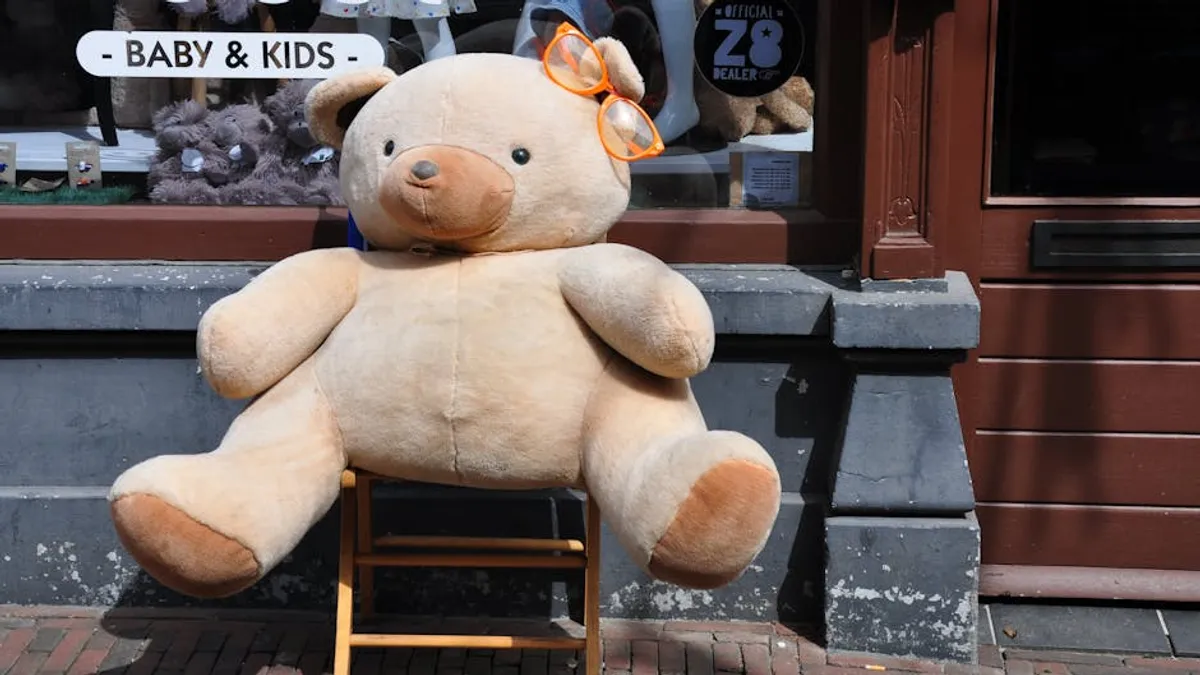
The misconception that "bigger is better" often leads to selecting an oversized teddy bear that becomes a logistical burden rather than a beloved companion. While a giant bear can initially impress, its long-term appeal is often limited by practical concerns like storage space, portability, and even the ability to cuddle comfortably. Conversely, a bear that is too small might feel insignificant if the intention was a grand gesture.
The ideal size balances visual impact with usability. For a child, a bear they can easily carry and hug is often more cherished than one that dwarfs them. For an adult, a medium-sized bear that can sit on a shelf, desk, or bed without dominating the space is usually preferred.
Neglecting the Presentation and Gifting Context
A common mistake is treating the teddy bear as a standalone item without considering how it will be presented or the occasion it marks. The context of the gift significantly influences its reception. A bear simply handed over in a plastic bag loses much of its potential charm compared to one thoughtfully packaged.
Enhancing Presentation:
- Thoughtful Packaging: A decorative box, a satin ribbon, or a special gift bag elevates the unboxing experience.
- Accompanying Card: A handwritten note explaining the choice of bear or expressing specific sentiments adds depth.
- Paired Items: Consider pairing the bear with a relevant book, a cozy blanket, or a small piece of jewelry to create a more complete gift package.
The goal is to create a moment around the gift, not just deliver an item. This attention to detail reinforces the care and consideration behind the gesture.
Making Thoughtful Selections
Avoiding these common pitfalls transforms the act of giving a teddy bear from a simple purchase into a meaningful gesture. By focusing on quality, age-appropriateness, personalization, practical size, and thoughtful presentation, you ensure the teddy bear becomes a treasured item, reflecting genuine care and creating lasting memories. A well-chosen teddy bear is more than just a plush toy; it's a silent confidant, a comforting presence, and a tangible reminder of affection that endures through the years.
Frequently Asked Questions About Teddy Bear Gifts
What is the best material for a teddy bear?
The "best" material depends on the recipient and intended use. For softness and durability, mohair, alpaca, or high-quality synthetic plush like dense polyester fiber are excellent. For infants, organic cotton or bamboo velour are often preferred for their natural properties and ease of cleaning.
How do I ensure a teddy bear is safe for a baby?
Look for bears specifically labeled as safe for newborns or infants. These typically feature embroidered eyes and noses instead of plastic ones, have no small detachable parts, are made from non-toxic, hypoallergenic materials, and are machine washable. Always check for relevant safety certifications.
Is a very large teddy bear always a good gift?
Not necessarily. While impressive initially, very large teddy bears can be impractical due to storage space requirements and difficulty in handling. A medium-sized bear that is easy to cuddle and display often provides more long-term enjoyment and utility.
Can I personalize a teddy bear for an adult?
Absolutely. Personalization isn't just for children. For adults, consider embroidery with a significant date, initials, or a short meaningful quote. Custom outfits reflecting their hobbies, profession, or favorite sports team can also make the gift highly personal and appreciated.