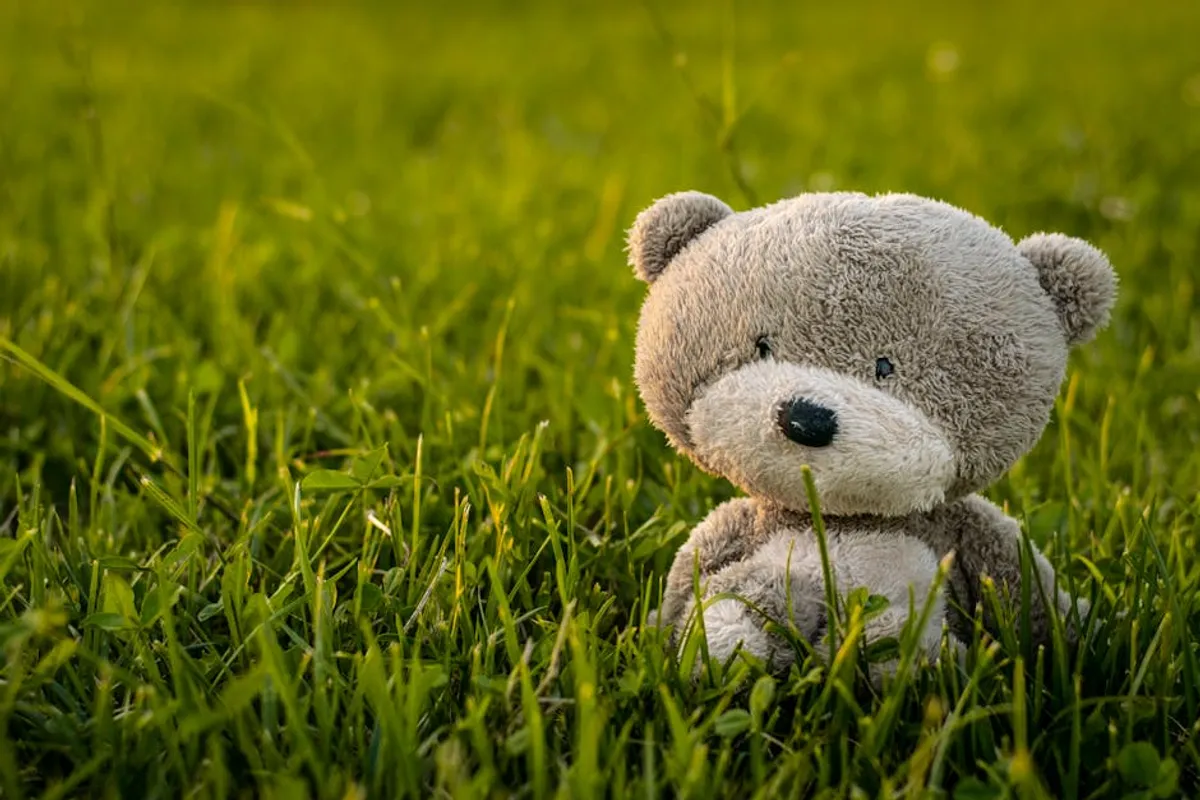
Selecting the right teddy bear gift requires more than simply choosing a cute design. Effective gift-giving, particularly with plush items, hinges on understanding material composition, size suitability, potential for personalization, and age-appropriate features. This guide outlines key differentiators across various teddy bear categories to inform purchasing decisions, ensuring the chosen item aligns with both the recipient's preferences and the occasion's intent. This guide outlines key differentiators across various teddy bear categories to inform purchasing decisions, ensuring the chosen item aligns with both the recipient's preferences and the occasion's intent.
Classic Plush Bears: Versatility and Durability
Classic plush bears represent the foundational category, characterized by their traditional form and widespread availability. These typically feature synthetic polyester plush fabric, known for its soft hand-feel and resilience to repeated handling and washing. Their stuffing, often polyester fiberfill, provides a squishy, huggable quality without excessive weight.
Material and Construction Details
- Polyester Plush: Offers consistent texture and color retention. It resists matting better than some natural fibers and is generally hypoallergenic.
- Stitching: Double-stitched seams are common, contributing to durability, especially in areas of high stress like limb attachments.
- Eyes and Nose: Safety-locked plastic eyes and embroidered noses are standard for bears intended for infants and young children, mitigating choking hazards. Older recipients may receive bears with glass eyes or flocked plastic noses for a more realistic or vintage aesthetic.
Best for: General gifting, comfort items, children's play, and recipients where durability and ease of care are primary concerns.
Personalized and Themed Bears: Customization and Specificity
Personalized and themed teddy bears elevate the gifting experience by adding unique touches or aligning with specific interests. Personalization typically involves embroidery on a paw, foot, or an attached ribbon, while themed bears might feature specific outfits, accessories, or designs related to professions, hobbies, or holidays.
Customization Options and Impact
Embroidery is the most common form of personalization, allowing for names, dates, or short messages. The quality of the stitching—thread type, density, and backing—directly impacts longevity and appearance. For themed bears, the quality of the accessory materials (fabric, fasteners, embellishments) dictates overall presentation and durability. For instance, a bear dressed as a doctor might have miniature scrubs made from actual cotton blends, enhancing realism.
Pro Tip: When considering personalized teddy bears, always verify character limits and font options. Confirming the exact placement and proofreading text before production is critical, as errors on customized items are typically non-returnable.
Best for: Commemorating milestones (births, graduations, anniversaries), expressing specific sentiments, or aligning with a recipient's unique passions.
Collectible and Artisan Bears: Craftsmanship and Investment Value
Collectible and artisan teddy bears cater to a niche market focused on craftsmanship, limited availability, and potential investment value. These bears often utilize premium materials and traditional construction methods, distinguishing them from mass-produced plush toys.
Key Distinguishing Factors
- Mohair and Alpaca Wool: These natural fibers offer a luxurious feel, distinct sheen, and often a more traditional, "vintage" appearance. They are durable but require more delicate care than synthetic plush.
- Jointed Limbs: Disk-jointed limbs, typically at the neck, shoulders, and hips, allow for posing and articulation, a hallmark of collectible bears.
- Limited Editions: Production runs are often numbered and accompanied by certificates of authenticity, contributing to their collectible status.
- Hand-Stitched Features: Noses and mouths are frequently hand-embroidered, and glass eyes are common, requiring careful handling.
Best for: Collectors, adults seeking a high-quality display item, or significant milestone gifts where longevity and aesthetic appeal are paramount.
Interactive and Educational Bears: Engagement and Development
Interactive and educational teddy bears are designed to engage recipients beyond simple cuddling. These bears often incorporate electronic components for sound, movement, or light, or feature elements that encourage developmental play.
Functional Features and Benefits
Interactive bears might include pre-recorded messages, sound sensors that react to speech, or mechanisms for movement. Educational versions may feature removable clothing with different fasteners (buttons, zippers, snaps) to aid fine motor skill development, or incorporate elements for learning numbers, letters, or shapes. The integration of technology requires consideration of battery life, durability of electronic components, and ease of cleaning.
Best for: Young children, encouraging imaginative play, supporting developmental milestones, or providing comfort with an added sensory dimension.
Making Your Selection: Practical Considerations
When finalizing your teddy bear gift choice, move beyond initial aesthetics to evaluate practical aspects. Consider the recipient's age and any potential safety concerns, particularly for infants and toddlers where small parts or long fibers can pose risks. Review care instructions; some materials are spot-clean only, while others can withstand machine washing. Assess the bear's intended use—is it for display, active play, or a comforting companion? This will guide decisions on material durability, size, and feature sets. Finally, factor in ethical sourcing and manufacturing practices if these align with your values or the recipient's.
Frequently Asked Questions About Teddy Bear Gifts
How do I choose the right size teddy bear?
Consider the recipient's age and the bear's purpose. Smaller bears (6-12 inches) are ideal for desk display or travel, medium bears (12-24 inches) suit general cuddling and shelf placement, while larger bears (over 24 inches) make significant statement gifts or floor companions.
What are the safest materials for a baby's teddy bear?
Look for bears made from organic cotton, bamboo, or hypoallergenic polyester plush. Ensure all features like eyes and noses are embroidered or securely stitched, avoiding small plastic parts that could detach.
Can personalized teddy bears be returned or exchanged?
Most retailers have strict no-return policies for personalized items due to their custom nature. Always double-check spelling and dates before confirming an order to prevent errors.
How should I care for a mohair or alpaca wool teddy bear?
These natural fiber bears typically require gentle spot cleaning with a damp cloth and mild soap. Avoid machine washing or harsh chemicals, as these can damage the fibers and alter the bear's texture and shape. Regular light brushing can help maintain their appearance.