
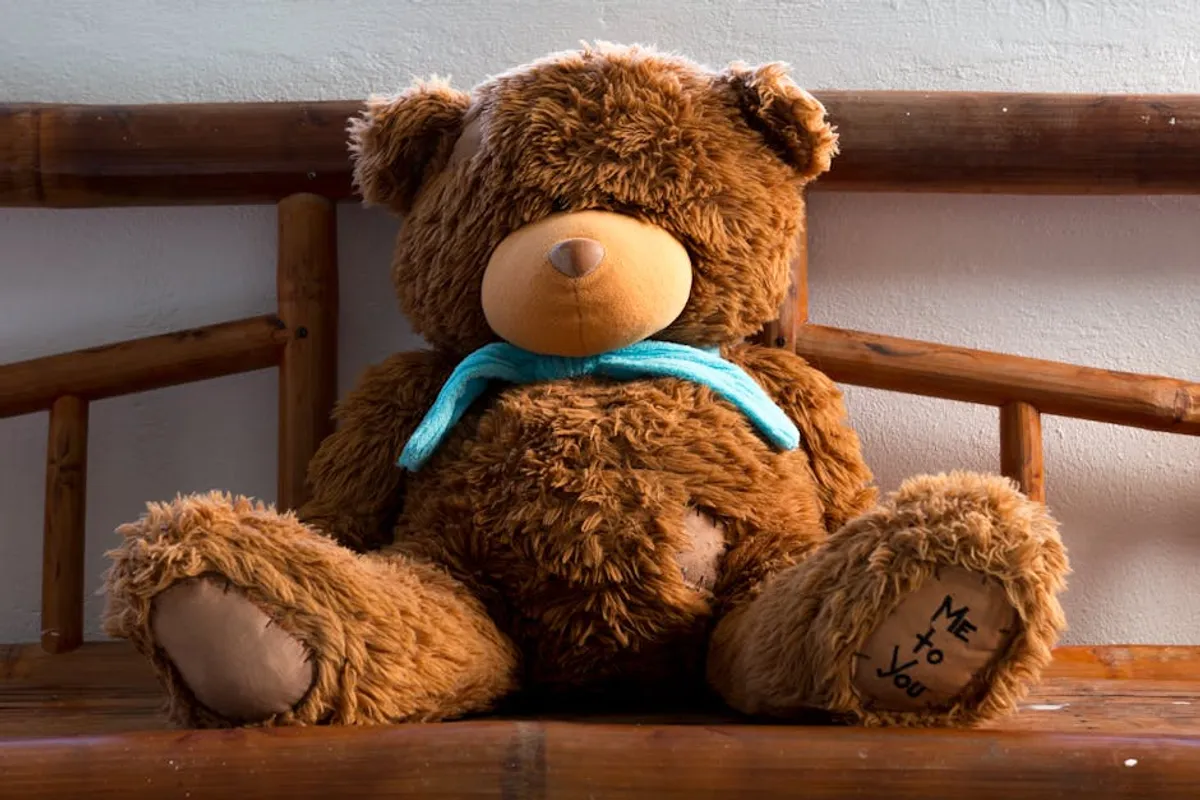
Selecting a teddy bear as a gift involves more than just choosing a cute design; it requires a deliberate consideration of the recipient, the occasion, and the bear's intrinsic qualities. A well-chosen teddy bear offers lasting comfort and sentimental value, becoming a cherished keepsake rather than a fleeting novelty. This checklist outlines the essential factors to evaluate, ensuring your selection aligns with both practical needs and emotional impact, creating a meaningful and appropriate gift.
Understanding the Recipient and Occasion
The first step in selecting a teddy bear gift is to define who will receive it and why. These foundational details guide subsequent decisions regarding size, material, and overall design, ensuring the bear resonates personally.
Age and Developmental Stage
The recipient's age dictates crucial safety and engagement considerations. For infants, safety is paramount; materials must be non-toxic, eyes and noses securely embroidered or stitched (avoiding small, detachable parts), and the bear should be machine washable for hygiene. Toddlers and young children benefit from durable construction, soft, huggable fabrics, and a size that is manageable for carrying and cuddling. Bears for older children or teens can incorporate more complex designs, specific themes, or personalization, often serving as decorative items or sentimental companions. For adults, the emphasis shifts to aesthetic appeal, quality craftsmanship, and sentimental value, often with a preference for classic designs, premium materials like mohair, or bears that evoke nostalgia or mark a significant life event.
The Gifting Event
The occasion informs the bear's style and presentation. A birthday bear might be brightly colored and playful, while an anniversary gift could lean towards a more elegant, classic design. For comfort or sympathy, a soft, neutral-toned bear provides a gentle presence. Holiday-themed bears, such as those for Valentine's Day or Christmas, often feature specific colors, accessories, or motifs relevant to the celebration. Graduations might call for a bear in academic attire, while a "just because" gift allows for more creative or whimsical choices, focusing purely on personal preference or inside jokes.
Key Characteristics of a Quality Teddy Bear Gift
Once the recipient and occasion are clear, attention shifts to the physical attributes of the teddy bear itself. Quality construction and thoughtful design contribute significantly to its longevity and appeal.
Material and Construction
The tactile experience of a teddy bear is largely determined by its materials. Plush fabrics, often synthetic, offer softness and are generally easy to clean. Natural fibers like mohair or alpaca wool provide a luxurious feel and are frequently found in collector's bears, valued for their texture and durability over time. The stuffing material impacts both feel and weight; polyester fiberfill offers a soft, squishy texture, while weighted beads or pellets can give a bear a more substantial, comforting heft. Examine the stitching for evenness and security, especially at seams and joints, to ensure the bear withstands handling and play. Safety certifications, such as CE or ASTM standards, indicate that the materials and construction meet specific safety requirements for children's toys.
Size and Proportions
Teddy bears come in a vast range of sizes, from miniature keychains to life-sized companions. Consider where the bear will be kept or displayed. A small bear is easily portable and fits well on a desk or shelf, while a medium-sized bear is ideal for cuddling. Larger bears make a significant visual impact but require more space. Beyond overall dimensions, evaluate the bear's proportions; well-balanced limbs, head, and body contribute to its aesthetic appeal and make it more endearing. Eyes, nose, and mouth should be proportionally placed and securely attached, enhancing the bear's character.
Aesthetic Appeal and Design
The visual design of a teddy bear is central to its charm. This includes its style (classic, contemporary, realistic, whimsical), color palette, and facial expression. Classic bears often feature traditional jointed limbs and a gentle, timeless expression. Modern designs might incorporate bolder colors or stylized features. The bear's "face" is particularly important, as it conveys personality; a warm, friendly expression is often preferred. Customization options, such as removable clothing, embroidered messages, or accessories, can add a unique, personal touch, making the gift even more special and tailored to the recipient.
Practical Considerations Before Purchase
Beyond the emotional and aesthetic aspects, practical factors influence the long-term enjoyment and value of a teddy bear gift.
Budget and Value
Teddy bears range widely in price, from mass-produced novelty items to handcrafted collector's editions. Establish a budget, but also consider the long-term value. A higher-priced bear often signifies superior materials, craftsmanship, and potentially a longer lifespan, making it a more enduring gift. For collector's items, factors like limited editions, brand reputation, and artist signatures can significantly impact future value. For everyday gifts, prioritize durability and safety within your budget.
Care and Maintenance
Understanding how to care for a teddy bear is crucial for its longevity. Some bears are surface-washable only, requiring spot cleaning with a damp cloth and mild detergent. Others, particularly those designed for infants and young children, may be machine washable on a gentle cycle. Always check the care label provided by the manufacturer. Proper storage, away from direct sunlight and excessive moisture, helps preserve the bear's fabric and color over time.
Packaging and Presentation
The way a teddy bear is presented enhances the gifting experience. Consider options like gift boxes, decorative ribbons, or personalized gift tags. If the bear is being shipped, ensure it is adequately protected to arrive in pristine condition. Some retailers offer gift-wrapping services or the option to include a personalized message, adding a thoughtful touch to the delivery.
Pro Tip: Always verify safety certifications for teddy bears intended for infants and young children. Look for labels like CE (European Conformity) or ASTM F963 (American Society for Testing and Materials) to ensure the product meets stringent safety standards regarding materials, small parts, and flammability. This diligence protects the recipient and provides peace of mind.
Assembling Your Perfect Teddy Bear Gift
Bringing together these considerations ensures the teddy bear you select is not merely a toy, but a thoughtful and cherished gift. Start by clearly identifying the recipient's age and the specific occasion. This immediately narrows down choices based on safety, durability, and emotional resonance. Next, scrutinize the bear's physical attributes: the softness and quality of its materials, the security of its construction, and its overall size relative to its intended use or display. Pay attention to the aesthetic details, such as its expression and color, which contribute to its unique character. Finally, factor in practicalities like your budget, ease of care, and the presentation, ensuring the unboxing experience is as delightful as the bear itself. By systematically reviewing these elements, you can confidently choose a teddy bear that delivers lasting joy and becomes a treasured companion.
Frequently Asked Questions
What is the best material for a teddy bear intended for a baby?
For babies, the best materials are soft, hypoallergenic, and non-toxic. Polyester plush is a common choice due to its softness and washability. Ensure all components, especially eyes and noses, are embroidered or securely stitched to prevent choking hazards, and check for relevant safety certifications like CE or ASTM.
How should I clean a teddy bear?
Cleaning methods depend on the bear's materials and construction. Always refer to the manufacturer's care label first. Many modern plush bears can be machine washed on a delicate cycle in a mesh bag. Collector's bears or those with delicate features often require spot cleaning with a damp cloth and mild soap, or professional cleaning to preserve their integrity.
Are all teddy bears safe for all ages?
No, not all teddy bears are safe for all ages. Bears intended for infants and toddlers must meet strict safety standards, lacking small detachable parts and made from non-toxic materials. Bears for older children or adults may have small accessories, delicate stitching, or materials that are not suitable for younger recipients. Always check the age recommendation on the product label.
What makes a teddy bear "collectible"?
A teddy bear becomes collectible due to factors such as limited production runs, high-quality materials (like mohair or alpaca), renowned manufacturers or artists, unique designs, historical significance, or specific brand associations. Condition, provenance, and original packaging also significantly influence a collectible bear's value.