
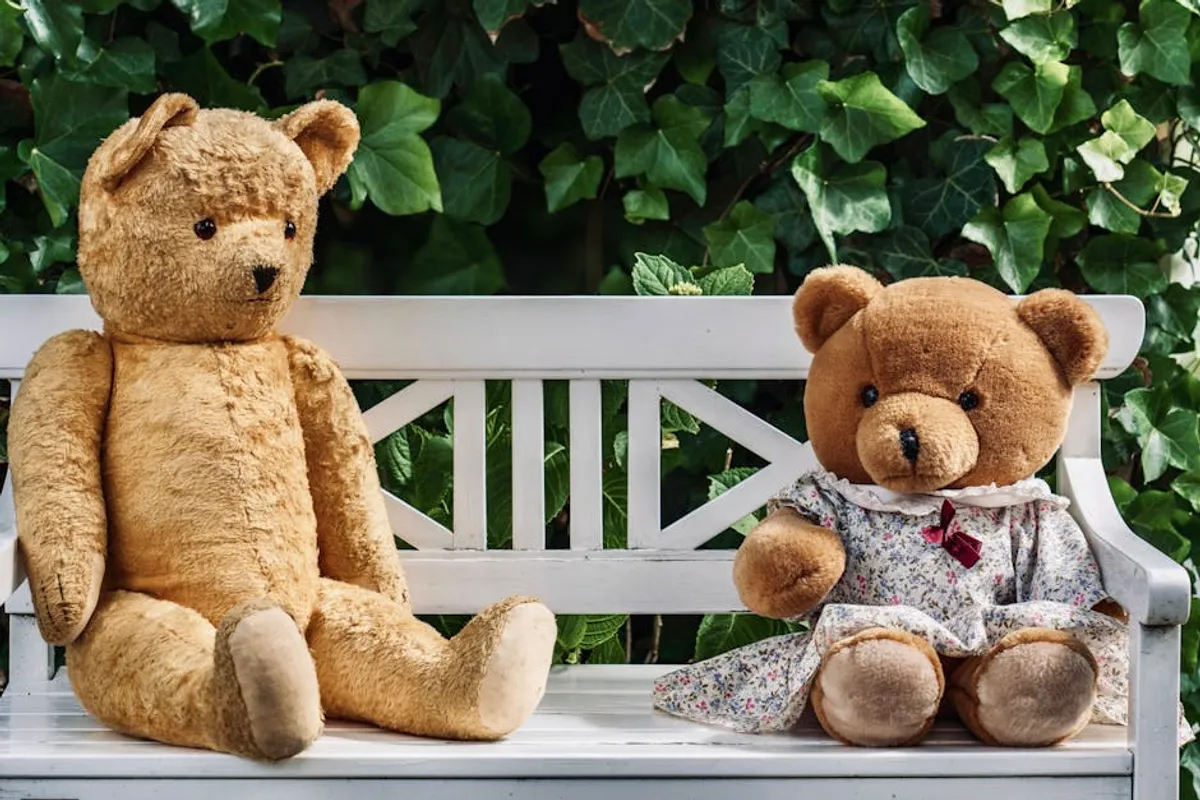
Choosing a teddy bear as a gift extends beyond simply selecting a plush toy; it involves understanding the recipient, the occasion, and the enduring sentiment the bear is meant to convey. A well-chosen teddy bear can become a cherished keepsake, a comforting presence, or a significant symbol of affection. This guide outlines key considerations for selecting teddy bear gifts that resonate deeply and create lasting impressions, focusing on practical criteria that influence both immediate appeal and long-term value. For those seeking a comprehensive understanding, a complete overview of teddy bear gifts can provide further context.
Matching the Bear to the Recipient and Occasion
The most effective teddy bear gifts align precisely with the intended recipient's age, preferences, and the specific event being celebrated. A bear suitable for a toddler will differ significantly from one chosen for an adult anniversary or a graduation.
Age-Appropriateness and Safety Standards
For infants and young children, safety is paramount. Look for bears constructed with securely stitched features, avoiding small, detachable parts like buttons or plastic eyes that could pose a choking hazard. Materials should be hypoallergenic and washable. Certifications such as ASTM F963 (US) or EN71 (EU) indicate adherence to toy safety standards. For older children and adults, while safety remains a factor, the emphasis shifts more towards aesthetic appeal, material quality, and thematic relevance.
Occasion-Specific Considerations
- Birthdays: A cheerful, brightly colored bear for a child; a classic, elegant bear for an adult milestone.
- Anniversaries: Often calls for a romantic or sophisticated bear, possibly with custom embroidery or a specific theme.
- Sympathy/Comfort: Soft, gentle-looking bears in muted tones that convey warmth and solace.
- Graduation: Bears dressed in academic attire or holding miniature diplomas, symbolizing achievement.
- Holidays: Themed bears, such as those with festive accessories for Christmas or a heart motif for Valentine's Day.
Material Quality and Craftsmanship
The tactile experience and durability of a teddy bear are directly tied to its construction materials and the quality of its assembly. These factors dictate how the bear feels, how long it lasts, and its overall perceived value.
Fabric and Stuffing Choices
Fabric: Plush materials like polyester velour, faux fur, or mohair are common. Polyester velour offers a soft, uniform texture, while faux fur can mimic various animal coats. Mohair, derived from angora goats, provides a luxurious, often vintage feel, favored by collectors. Consider the texture's appeal to the recipient; some prefer ultra-soft, while others appreciate a more substantial, textured feel.
Stuffing: Polyester fiberfill is standard for its resilience and washability. For a more traditional or premium feel, some bears use natural materials like cotton or wool, which offer a different weight and density. The firmness of the stuffing affects how the bear sits, stands, and feels when hugged.
Construction and Detailing
Examine stitching for tightness and consistency; loose threads or uneven seams indicate lower quality. Joints, especially in articulated bears, should be robust and allow for smooth movement without feeling flimsy. Embroidered features, such as eyes and noses, are generally more durable and safer than glued-on plastic components, particularly for younger recipients. Attention to small details, like paw pads, ear lining, or accessory stitching, contributes significantly to the bear's overall refinement.
Pro Tip: For gifts intended for display rather than frequent play, consider bears with internal armatures or weighted bases. These features allow for more dynamic posing and stable placement on shelves or desks, enhancing their decorative appeal.
Size, Presentation, and Personalization
The physical dimensions of a teddy bear, how it's presented, and the ability to customize it all contribute to the gift's impact and memorability.
Selecting the Right Size
A bear's size should be practical for its intended use. A small, hand-sized bear is ideal for a desk or travel, while a medium-sized bear (12-24 inches) offers a comforting presence for cuddling. Larger bears (over 3 feet) create a significant visual impact but require ample display space and can be challenging to transport. Consider the recipient's living space and the logistical aspects of delivery and storage.
Enhancing with Thoughtful Presentation
The packaging of a teddy bear gift elevates the unboxing experience. A sturdy gift box, tissue paper, and a decorative ribbon transform a simple purchase into a special event. Including a personalized gift tag or a small card with a handwritten message adds a crucial layer of personal connection. Some retailers offer presentation options like velvet bags or display cases, which can be particularly fitting for collector's bears or special occasions.
Customization and Unique Touches
Personalization makes a teddy bear distinct. Options include:
- Embroidered Names or Dates: Adding a recipient's name, a significant date, or a short message to a paw pad or a small garment.
- Custom Outfits: Dressing the bear in attire relevant to the recipient's profession, hobby, or a specific event (e.g., a doctor's scrubs, a sports jersey, a wedding outfit).
- Voice Recorders: Some bears allow for a brief recorded message to be played, adding an auditory, personal element.
- Build-Your-Own Experiences: Certain services allow customers to select bear components and accessories, creating a bespoke gift.
These custom elements transform a generic item into a deeply personal keepsake, significantly increasing its sentimental value.
Strategic Gifting for Lasting Impact
Effective teddy bear gifting hinges on a blend of practical considerations and emotional intelligence. By focusing on the recipient's specific context, prioritizing quality, and leveraging presentation and personalization, a teddy bear transcends its role as a simple toy to become a meaningful symbol. The goal is to select a bear that not only looks appealing but also aligns with the sentiment you wish to convey, ensuring it becomes a cherished item for years to come.
Frequently Asked Questions
What is the ideal size for a teddy bear gift?
The ideal size depends on the recipient and intended use. Small bears (under 12 inches) are good for desks or travel. Medium bears (12-24 inches) are versatile for cuddling and display. Large bears (over 24 inches) make a grand statement but require more space.
How can I ensure the teddy bear gift is safe for a child?
For children, prioritize bears with embroidered features over plastic eyes or buttons, securely stitched seams, and hypoallergenic, washable materials. Look for safety certifications like ASTM F963 or EN71 on the product label.
Is personalization worth the extra cost for a teddy bear gift?
Yes, personalization, such as embroidery or custom outfits, significantly enhances the sentimental value of a teddy bear. It transforms a standard item into a unique keepsake, making the gift more memorable and cherished by the recipient.
What materials are considered best for teddy bears?
High-quality teddy bears often use soft, durable fabrics like polyester plush, faux fur, or mohair. Stuffing is typically resilient polyester fiberfill. The "best" material often depends on whether the bear is for play, display, or collecting, with mohair often preferred for collector's items due to its traditional feel and durability.