
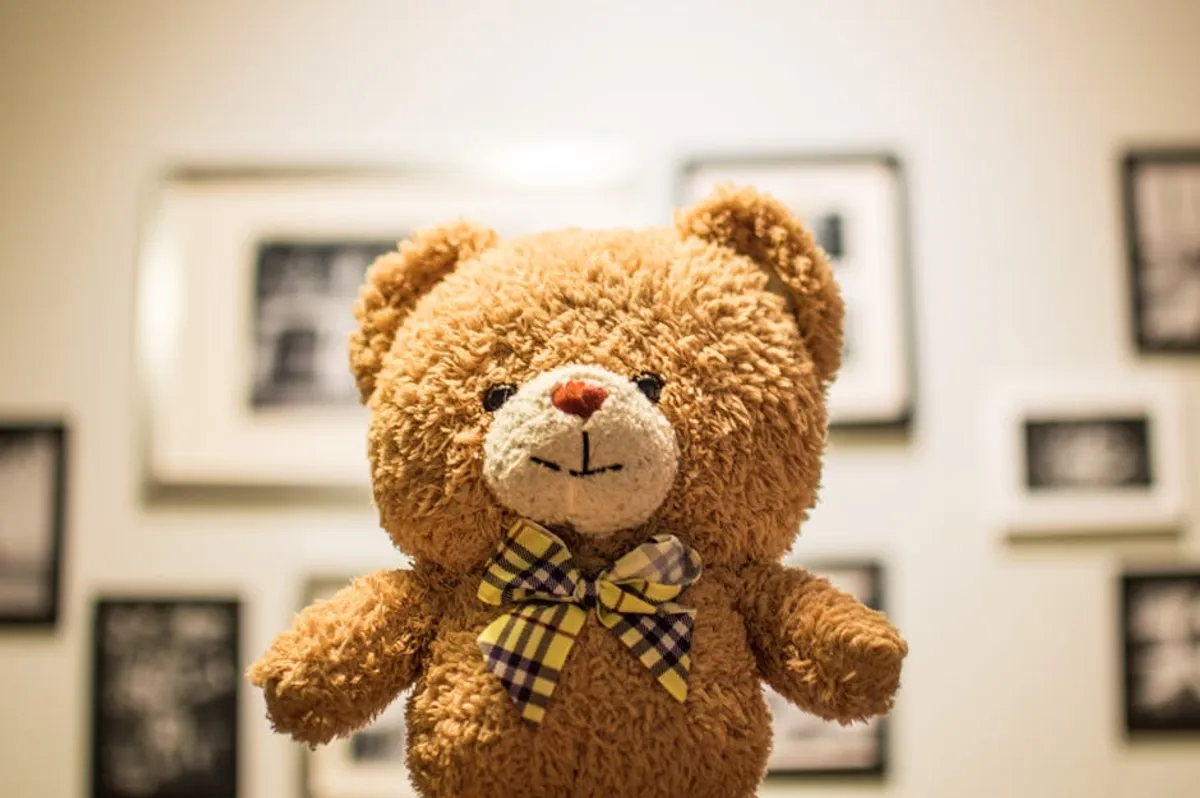
Understanding the market for teddy bear gifts requires segmenting both the product and the recipient. These aren't just children's toys; they serve as sentimental tokens, collectible items, and decorative pieces across various demographics and occasions. For marketers and site owners, recognizing these nuances is crucial for developing effective content strategies, optimizing product listings, and targeting specific buyer intents. This guide outlines the foundational aspects of the teddy bear gift market, from audience identification to commercial positioning, providing a framework for engaging potential customers and driving sales. This guide outlines the foundational aspects of the market, providing a framework for engaging with the teddy bear gift industry.
Identifying Core Audiences for Teddy Bear Gifts
The appeal of teddy bears extends beyond simple playthings, reaching diverse consumer groups with distinct motivations. Effective marketing begins with segmenting these audiences to tailor messaging and product offerings.
Children and Young Recipients
This is the most traditional segment, where teddy bears function as companions, comfort objects, and developmental aids. Purchases are typically made by parents, grandparents, or friends of the family. Key considerations for this group include safety standards (materials, choking hazards), durability, and age-appropriateness. Marketing emphasizes softness, huggability, and imaginative play potential.
- Primary Motivations: Comfort, companionship, imaginative play, emotional development.
- Key Features: Softness, non-toxic materials, washable, durable stitching, appropriate sizing.
- Occasions: Birthdays, holidays, new baby gifts, get-well presents.
Adult Gifting and Sentimental Value
Teddy bears often serve as powerful symbols of affection, remembrance, or celebration for adults. This includes gifts between romantic partners, tokens of sympathy, graduation presents, or even "thinking of you" gestures. The emphasis shifts from play to emotional resonance and aesthetic appeal. Materials, craftsmanship, and unique design elements become more important than child-safety features.
Common Scenarios:
- Romantic Gestures: Large, plush bears for Valentine's Day or anniversaries.
- Sympathy/Comfort: Smaller, comforting bears for those experiencing loss or illness.
- Graduation/Milestone: Bears dressed in academic attire or holding symbolic items.
- Collectible Items: Limited edition or artisan-crafted bears for enthusiasts.
Collectors and Enthusiasts
A dedicated segment exists for individuals who collect teddy bears based on brand, artist, material, or historical significance. These buyers are often knowledgeable about specific manufacturers, limited editions, and valuation factors. Their purchasing decisions are driven by rarity, provenance, craftsmanship, and potential investment value. Content targeting this group requires detailed product descriptions, historical context, and information on materials like mohair or alpaca.
Pro Tip: When targeting collectors, provide granular details on materials, manufacturing origin, designer, and production run numbers. High-resolution imagery showcasing stitching, jointing, and unique features is non-negotiable. This audience values authenticity and detailed provenance.
Product Characteristics and Commercial Positioning
The physical attributes of a teddy bear significantly influence its perceived value and target market. Differentiating products based on these characteristics allows for precise commercial positioning.
Material and Construction
The choice of material dictates a bear's feel, durability, and price point. Plush polyester is common for mass-market children's bears due to its softness and washability. Natural fibers like mohair, alpaca, or wool are often used for collectible or artisan bears, offering a distinct texture and aesthetic. Jointed bears (with articulated limbs) suggest higher craftsmanship and are often preferred by collectors, while unjointed bears are common for younger children.
Size and Scale
Teddy bears range from miniature keychains to life-sized companions. Smaller bears are suitable for desk decoration, travel companions, or as an add-on to a larger gift. Medium-sized bears (12-24 inches) are versatile for most gifting occasions. Oversized bears (3 feet and up) are often chosen for grand romantic gestures or as significant decorative pieces, emphasizing impact and presence.
Thematic and Customization Options
Thematic teddy bears align with specific interests or events. This includes bears dressed as doctors, nurses, graduates, or in sports team attire. Customization, such as embroidered names, dates, or personalized messages on clothing or paws, adds significant sentimental value and allows for unique gift experiences. This feature often commands a higher price point and appeals to buyers seeking a truly unique present.
Optimizing for Buyer Intent and Search Queries
Understanding what buyers search for when looking for teddy bear gifts is critical for SEO and content development. Search queries often reveal the underlying intent—whether it's informational, commercial, or navigational.
Informational Queries
These queries often involve research before a purchase. Examples include "best teddy bear materials," "history of teddy bears," or "how to clean a teddy bear." Content addressing these queries should be educational, providing value and establishing authority without directly pushing a sale. This builds trust and positions your site as a resource.
Commercial Investigation Queries
Buyers at this stage are comparing options and looking for specific features or recommendations. Queries might be "softest teddy bear for baby," "large teddy bear for girlfriend," or "collectible mohair bears." Content should offer comparisons, detailed product reviews, buyer's guides, and clear feature breakdowns. Focus on highlighting differentiators and matching product attributes to common needs.
Transactional Queries
These are direct purchase intent queries, such as "buy teddy bear online," "personalized teddy bear gift," or "teddy bear delivery." Product pages, category pages, and clear calls to action are paramount. Ensure product descriptions are comprehensive, pricing is clear, and the checkout process is streamlined. Shipping information, return policies, and customer service contacts should be easily accessible.
Long-Tail Opportunities
Specific, longer phrases often reveal niche interests or very precise needs. Examples include "teddy bear with sound for anxious child," "handmade artist teddy bear UK," or "vintage style jointed teddy bear." Creating dedicated content or product filters for these long-tail keywords can capture highly motivated buyers with less competition.
Crafting Effective Product Descriptions
Beyond basic features, product descriptions for teddy bear gifts must evoke emotion and provide practical details. A strong description addresses both the rational and emotional aspects of the purchase.
- Emotional Appeal: Use descriptive language that highlights softness, huggability, comfort, and the joy the bear brings. Phrases like "a comforting companion," "a timeless symbol of affection," or "a cherished keepsake" resonate with buyers.
- Material Specifics: Clearly state the outer material (e.g., "premium plush polyester," "luxurious German mohair") and filling (e.g., "100% recycled PET fiber," "weighted with plastic pellets").
- Dimensions and Weight: Provide height, width, and weight to give a realistic sense of scale. Include a reference point, such as "stands 18 inches tall from head to paw."
- Care Instructions: Detail how to clean and maintain the bear. This is especially important for children's toys and collectible items.
- Safety Information: For children's bears, explicitly state age recommendations and compliance with safety standards (e.g., "CE tested and certified for ages 0+").
- Unique Selling Points: Highlight any special features like jointed limbs, embroidered details, included accessories, or limited edition status.
Sustaining Engagement and Repeat Purchases
Beyond the initial sale, fostering customer loyalty in the teddy bear gift market involves recognizing the sentimental journey. Offering complementary products, seasonal promotions, and content that celebrates the longevity of these gifts can encourage repeat engagement.
Consider offering accessories like clothing, display stands, or care kits. Seasonal campaigns around holidays (Valentine's Day, Christmas, Easter) or specific events (graduations, anniversaries) provide natural opportunities for promotion. User-generated content, such as customers sharing photos of their teddy bears in different settings or celebrating milestones, reinforces the emotional connection and provides authentic social proof.
Frequently Asked Questions About Teddy Bear Gifts
What makes a teddy bear "collectible"?
Collectibility in teddy bears is often determined by factors such as limited production runs, specific designers or brands (e.g., Steiff, Hermann, Merrythought), rare materials (e.g., vintage mohair), unique features, historical significance, and provenance. Bears with original tags, certificates, and in pristine condition typically hold higher value.
Are there eco-friendly teddy bear options?
Yes, many manufacturers now produce teddy bears using sustainable and eco-friendly materials. This includes bears made from organic cotton, recycled PET plastic fibers for stuffing, or ethically sourced natural fibers. Look for certifications or specific material descriptions on product pages.
How do I choose the right size teddy bear for a gift?
The ideal size depends on the recipient and occasion. Smaller bears (under 12 inches) are versatile for desk decor or travel. Medium bears (12-24 inches) are standard for most gifts, offering a good balance of presence and portability. Large bears (over 24 inches) make a significant impact for grand gestures or as decorative pieces, but consider the recipient's space constraints.
What is the typical price range for quality teddy bear gifts?
The price for quality teddy bear gifts varies widely based on size, materials, craftsmanship, brand, and customization. Basic plush bears can range from $15-$50. Mid-range, well-made bears often fall between $50-$150. High-end, collectible, or artisan-crafted bears, especially those made from premium materials like mohair or limited editions, can easily range from $150 to several hundred dollars, or even thousands for rare vintage pieces.