
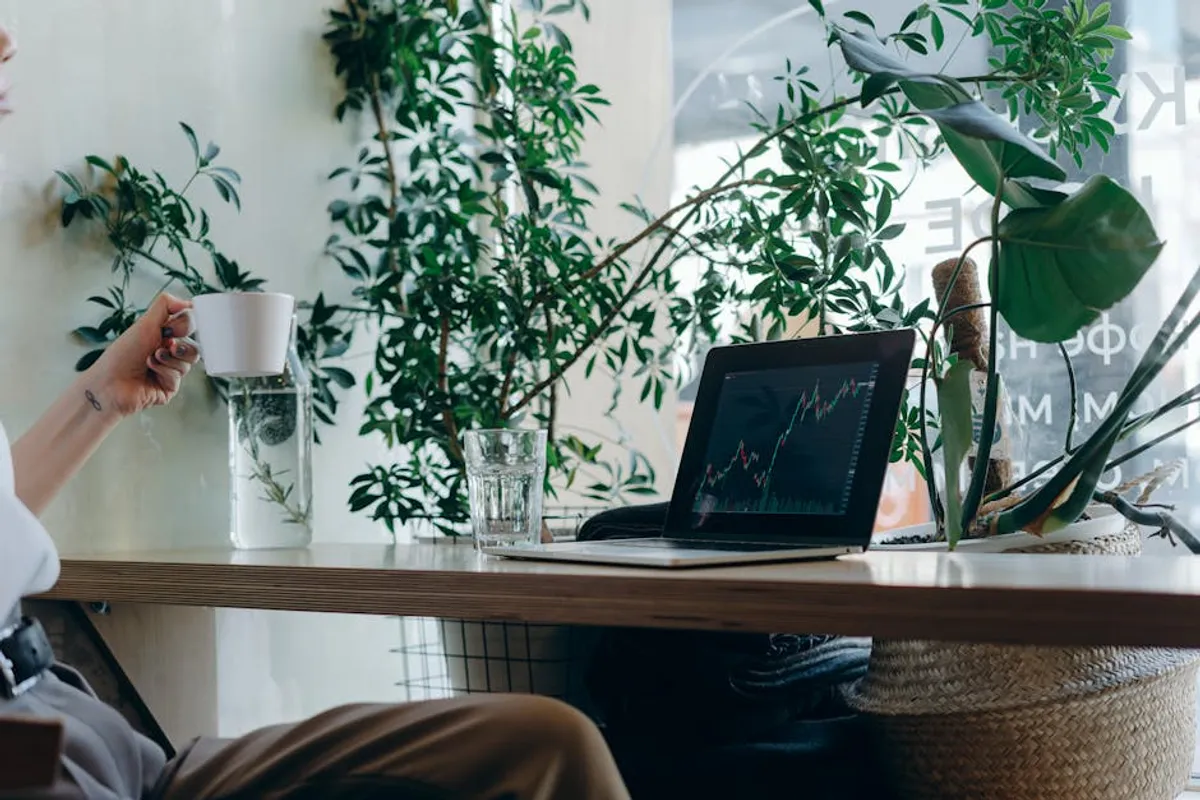
Understanding current lifestyle trends is critical for businesses aiming to remain relevant and for marketers seeking to connect with evolving consumer bases. These shifts in how people live, work, and spend directly influence purchasing decisions, brand loyalty, and market demand. Identifying these trends early allows for strategic adaptation, product development, and communication strategies that resonate authentically. Ignoring them risks misalignment with target audiences and missed commercial opportunities. This year, several key lifestyle shifts are gaining momentum, driven by technological advancements, environmental consciousness, and a re-evaluation of personal values.
The Rise of Conscious Consumption and Ethical Living
Consumers are increasingly scrutinizing the origins, environmental impact, and ethical implications of the products and services they purchase. This trend extends beyond simple sustainability to encompass fair labor practices, transparent supply chains, and a preference for brands that demonstrate genuine social responsibility. Businesses must move beyond greenwashing to implement verifiable, impactful practices.
Driving Factors for Ethical Living
- Environmental Awareness: Growing concerns about climate change, resource depletion, and pollution are influencing purchasing choices, favoring eco-friendly alternatives.
- Social Justice: Increased awareness of labor practices and human rights issues globally drives demand for ethically sourced goods.
- Transparency Demands: Digital tools and social media empower consumers to research brands and hold them accountable for their claims.
- Health and Wellness Connection: A perceived link between natural, sustainably produced goods and personal well-being reinforces this trend.
Commercial Implications: Brands that integrate sustainable practices, offer transparent sourcing information, and engage in genuine corporate social responsibility initiatives will gain a competitive edge. This includes adopting circular economy principles, reducing packaging waste, and investing in renewable energy. Conversely, companies failing to address these concerns risk reputational damage and market share loss.
Pro Tip: Authenticity is paramount. Consumers are adept at detecting superficial efforts. Implement genuine changes, communicate them clearly with verifiable data, and invite third-party audits to build trust. Focus on specific, measurable impacts rather than broad, vague statements.
Digital Wellness and Intentional Technology Use
While technology remains integral to daily life, a counter-trend of digital fatigue and a desire for intentional, balanced engagement is emerging. Consumers are seeking ways to manage screen time, reduce digital distractions, and protect their mental well-being from information overload. This manifests in a demand for products and services that support digital detoxes, mindful tech use, and real-world connections.
Manifestations of Digital Wellness
This trend isn't about abandoning technology but rather about controlling its influence. It includes:
- Screen Time Management: Use of apps and device settings to monitor and limit usage.
- Digital Detox Products/Services: Retreats, minimalist phones, and software designed to reduce notifications.
- Focus on Analog Experiences: Resurgence of hobbies like reading physical books, board games, and outdoor activities.
- Privacy Concerns: Increased scrutiny over data collection and a preference for platforms offering stronger privacy controls.
Commercial Implications: Opportunities exist for businesses offering solutions that promote balance. This includes apps designed for productivity without distraction, smart home devices that integrate seamlessly without overwhelming, and products that facilitate offline experiences. Brands can also differentiate by respecting user privacy and offering clear, opt-in communication preferences, rather than constant engagement demands.
The Blended Lifestyle: Work, Home, and Leisure Integration
The traditional boundaries between work, home, and leisure have blurred significantly, accelerating a demand for flexibility and seamless integration across all life domains. Hybrid work models are now standard for many, leading to a re-evaluation of living spaces, community engagement, and how personal time is structured. This isn't just about remote work; it's a fundamental shift in how people design their entire lives.
Key Aspects of the Blended Lifestyle
- Multi-functional Spaces: Homes are adapted for work, exercise, and entertainment, driving demand for adaptable furniture and smart home technology.
- Hyperlocal Focus: Increased investment in local communities, services, and amenities as daily life revolves less around a central office.
- Flexible Scheduling: A preference for jobs and services that accommodate non-traditional hours and personal commitments.
- "Workcation" and "Bleisure" Travel: Combining travel with work, requiring reliable connectivity and adaptable accommodations.
Commercial Implications: Real estate, interior design, and home technology sectors are directly impacted, with a focus on modular, space-saving, and connectivity-enabled products. Local businesses, from cafes to fitness studios, can capitalize on increased neighborhood foot traffic. Service providers offering flexible scheduling, on-demand options, and personalized experiences will appeal to consumers managing complex, integrated schedules. The travel industry must cater to the needs of digital nomads and those blending business with leisure.
Applying Trend Insights for Commercial Advantage
Successfully navigating these lifestyle shifts requires more than just awareness; it demands strategic integration into your business model. Begin by auditing your current offerings and operational practices against these trends. Identify areas where your brand aligns naturally and pinpoint gaps that represent opportunities for innovation or adaptation. Consider how your marketing messages can reflect the values of conscious consumption, digital wellness, or the blended lifestyle without sounding opportunistic.
Engage with your customer base to understand their specific needs and pain points related to these trends. Surveys, focus groups, and social listening can provide invaluable qualitative data. This direct feedback ensures that any adjustments or new product developments are genuinely responsive to market demand, rather than based on assumptions. Ultimately, businesses that anticipate and genuinely respond to these evolving lifestyle preferences will build stronger customer loyalty and secure a more resilient market position.
Frequently Asked Questions
What is a lifestyle trend?
A lifestyle trend represents a significant, observable shift in the way people live, work, consume, and interact, often driven by cultural, technological, economic, or environmental factors.
Why are lifestyle trends important for businesses?
Lifestyle trends directly influence consumer behavior, purchasing decisions, and market demand. Understanding them allows businesses to adapt products, services, and marketing strategies to remain relevant and competitive.
How can businesses identify emerging lifestyle trends?
Businesses can identify trends through market research, social listening, consumer surveys, analyzing industry reports, monitoring competitor innovations, and observing broader societal shifts in technology and culture.
How quickly do lifestyle trends change?
The pace of change varies; some trends evolve gradually over years, while others can emerge and gain traction rapidly due to technological advancements or sudden global events. Continuous monitoring is essential.