
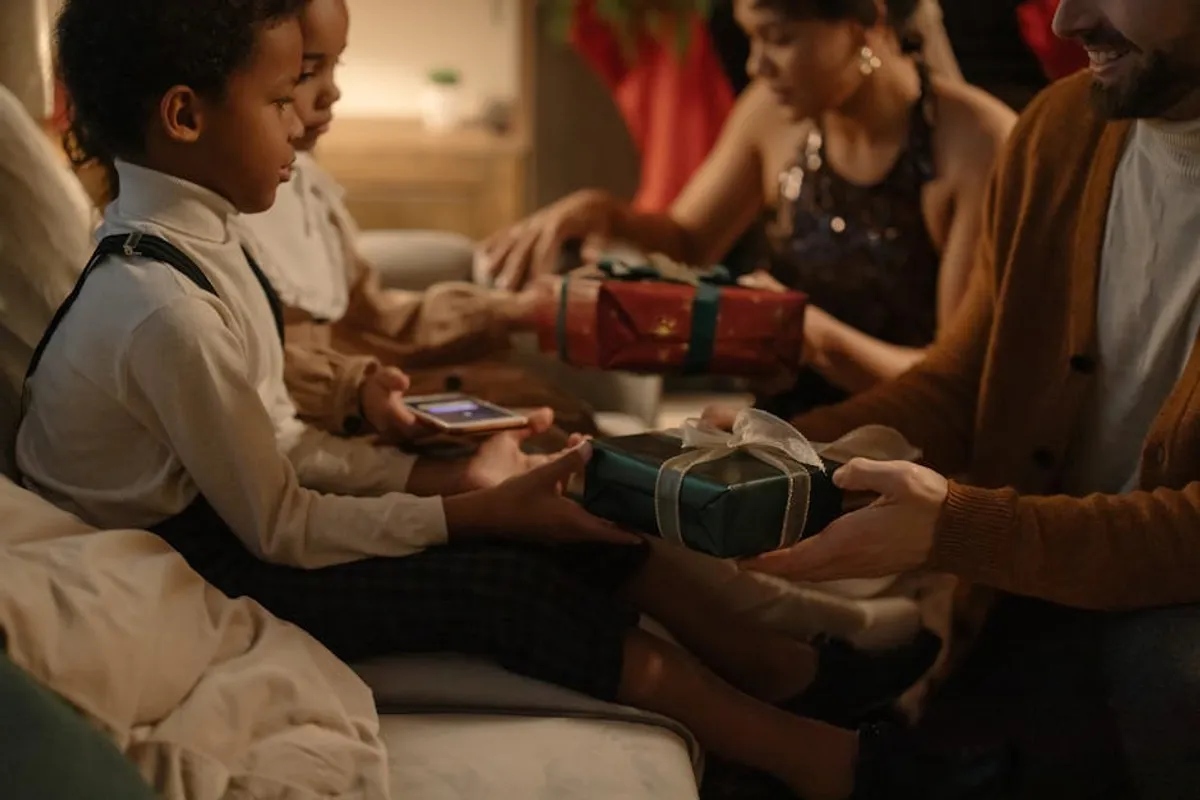
The process of selecting gifts for children often begins with good intentions, yet it frequently encounters common pitfalls that diminish the present's impact or practicality. For gift-givers, the goal is typically to bring joy, foster development, or provide lasting utility. However, missteps can lead to gifts that are quickly discarded, unsuitable for the child's stage, or burdensome for parents. Understanding these common errors is crucial for making more thoughtful, effective choices that genuinely resonate with both the child and their caregivers. This involves moving beyond surface-level appeal and considering the deeper implications of a gift, from its developmental value to its long-term integration into a family's home.
Overlooking Age and Developmental Appropriateness
The Pitfall of "Too Advanced" or "Too Simple"
A frequent error in kids' gift selection is misjudging the recipient's age and developmental stage. A toy designed for a six-year-old will likely frustrate a three-year-old with its complexity, leading to disinterest rather than engagement. Conversely, a gift intended for toddlers might bore an older child who has already mastered those basic concepts. This mismatch often stems from a general understanding of "kids' toys" without specific attention to the recommended age ranges provided by manufacturers, which are based on safety, cognitive ability, and motor skill development.
Reason this is a mistake: Gifts that are too advanced create frustration and a sense of failure, while those that are too simple fail to challenge or engage, resulting in short-lived interest and underutilization. Both scenarios lead to the gift being set aside quickly.
Matching Gifts to Cognitive and Motor Skills
Beyond the numerical age, consider the child's specific developmental milestones. A two-year-old might be refining fine motor skills with stacking blocks, while a five-year-old is ready for more intricate puzzles or early construction sets. A gift that aligns with a child's current skill set, or slightly challenges it, provides the most value. This means assessing whether the gift encourages problem-solving, creative expression, physical activity, or social interaction at a level appropriate for their current stage of growth. For example, open-ended play items like building blocks or art supplies adapt well across various developmental stages, offering longevity.
Prioritizing Fleeting Trends Over Lasting Value
The Short Shelf-Life of Fad Toys
Marketing campaigns often create significant hype around certain toys, leading to a surge in demand for items that are popular for a season and then quickly forgotten. Gifting based solely on these fleeting trends can result in a toy that loses its appeal as quickly as it gained it. Children's interests evolve rapidly, and what is "in" one month may be obsolete the next, especially with character-driven merchandise that ties into temporary media releases.
Reason this is a mistake: Trend-driven gifts often lack intrinsic play value beyond their novelty or association with a popular character. They contribute to clutter and can be a poor return on investment when they are discarded after minimal use.
Investing in Durability and Engagement
Instead, consider gifts known for their enduring appeal and quality construction. Classic toys like wooden blocks, art kits, imaginative play sets, or quality books tend to offer sustained engagement. These items encourage open-ended play, creativity, and often withstand years of use, potentially even becoming hand-me-downs. Look for materials that are robust and designs that invite multiple forms of interaction, rather than dictating a single play pattern.
Ignoring Practical Considerations for Parents
The Impact of Noise, Size, and Mess
A gift's impact extends beyond the child's immediate reaction. Parents are the primary caregivers responsible for managing the items brought into their home. Gifts that are excessively loud, require constant supervision for mess, or occupy significant physical space without clear utility can become a source of frustration. While a child might love a drum set, parents might not appreciate the constant noise. Similarly, a sprawling play kitchen might be impractical in a small living space.
Reason this is a mistake: Gifts that create ongoing logistical challenges for parents can inadvertently become a burden, leading to the item being stored away or even donated, regardless of the child's initial enthusiasm.
Respecting Household Preferences and Space
When possible, a brief, discreet inquiry with parents about their preferences regarding toy types, noise levels, or storage capabilities can prevent gifting an item that will cause issues. Some parents prefer educational toys over purely entertainment-focused ones, or have specific limits on screen time. Understanding these family dynamics ensures the gift is not only well-received by the child but also appreciated and integrated by the parents.
Pro Tip: Before purchasing, consider asking the child's parents about any existing collections, preferred brands, or specific items the child has expressed interest in. This avoids duplicates and ensures the gift aligns with family values and available space, making it a truly useful addition rather than another item to manage.
The Dangers of Generic or Stereotyped Gifting
Moving Beyond Gendered Expectations
Relying on traditional gender stereotypes when choosing gifts limits children's exposure to diverse play experiences and reinforces outdated norms. Assuming all girls want dolls and all boys want trucks overlooks individual preferences and interests. Children benefit from a wide range of play that develops various skills, regardless of traditional associations. A child's interest in science, art, building, or imaginative play should guide the gift choice, not their gender.
Reason this is a mistake: Gender-stereotyped gifts restrict a child's exploration of interests and development of skills, potentially limiting their full potential and reinforcing societal biases.
Ensuring Safety and Quality Control
Safety is paramount when gifting to children. Neglecting to check for age-appropriate safety warnings, small parts that pose choking hazards for younger children, or the use of non-toxic materials is a serious oversight. Additionally, opting for very cheap, poorly constructed items can lead to quick breakage, sharp edges, or exposure to harmful substances. Always prioritize gifts from reputable manufacturers that adhere to relevant safety standards.
- Check for age recommendations: These are crucial for preventing choking hazards and ensuring developmental appropriateness.
- Inspect for small parts: Especially for children under three years old.
- Verify material safety: Look for non-toxic, BPA-free labels on plastics and paints.
- Read reviews: Parent reviews often highlight durability issues or unexpected safety concerns.
- Consider supervision needs: Some gifts, like art supplies or science kits, require adult involvement.
Missing the Opportunity for Growth and Creativity
Beyond Pure Entertainment
While entertainment is a valid component of play, gifts that offer opportunities for learning, skill development, or creative expression often provide deeper, more lasting value. Gifts that merely entertain passively, such as certain electronic gadgets, can sometimes limit a child's active participation and imagination. The best gifts often encourage children to be creators, problem-solvers, or storytellers.
Reason this is a mistake: Gifts solely focused on passive entertainment can miss the chance to stimulate a child's cognitive, emotional, and physical development, leading to less enriching play experiences.
Fostering Imagination and Skill Development
Consider gifts that encourage open-ended play, where the child dictates the narrative and outcome. Art supplies, construction sets, science kits, musical instruments, or dress-up clothes all provide platforms for imaginative exploration and skill-building. Books, especially those that encourage interaction or have engaging narratives, are also invaluable for fostering literacy and a love of learning. These types of gifts grow with the child as their interests and abilities expand.
Making Better Gift Choices
To navigate the landscape of kids' gifts effectively, shift focus from impulse buying or trend-following to a more deliberate, child-centric approach. Prioritize gifts that align with a child's specific developmental stage, foster meaningful engagement, and offer lasting value beyond immediate novelty. Engaging discreetly with parents for insights, researching safety standards, and considering the practical implications of a gift within a household are all steps towards making choices that genuinely delight children and support their growth, rather than creating additional burdens or fleeting excitement.
Frequently Asked Questions
How can I find out what a child genuinely wants without asking directly?
Observe their current play patterns, listen to conversations about their interests, or discreetly ask their parents or close family members. Pay attention to characters or themes they gravitate towards in books, shows, or clothing.
Are educational toys always the best choice?
Not exclusively. The "best" choice balances educational value with fun and engagement. A toy that is overtly educational but not enjoyable will likely be ignored. Look for items that integrate learning seamlessly into play, making discovery an exciting process.
How do I avoid buying a gift the child already has?
The most reliable method is to ask the parents directly, or if there's a gift registry, consult that. If those aren't options, consider consumable gifts like art supplies, books, or experience-based gifts (e.g., tickets to a museum or show) which don't duplicate physical items.
What if I'm unsure about the child's interests or age?
Opt for versatile, open-ended gifts that cater to a broad age range and various interests, such as high-quality building blocks, classic board games, or gift cards to a reputable toy or book store. These allow the child or parents to choose something suitable.