
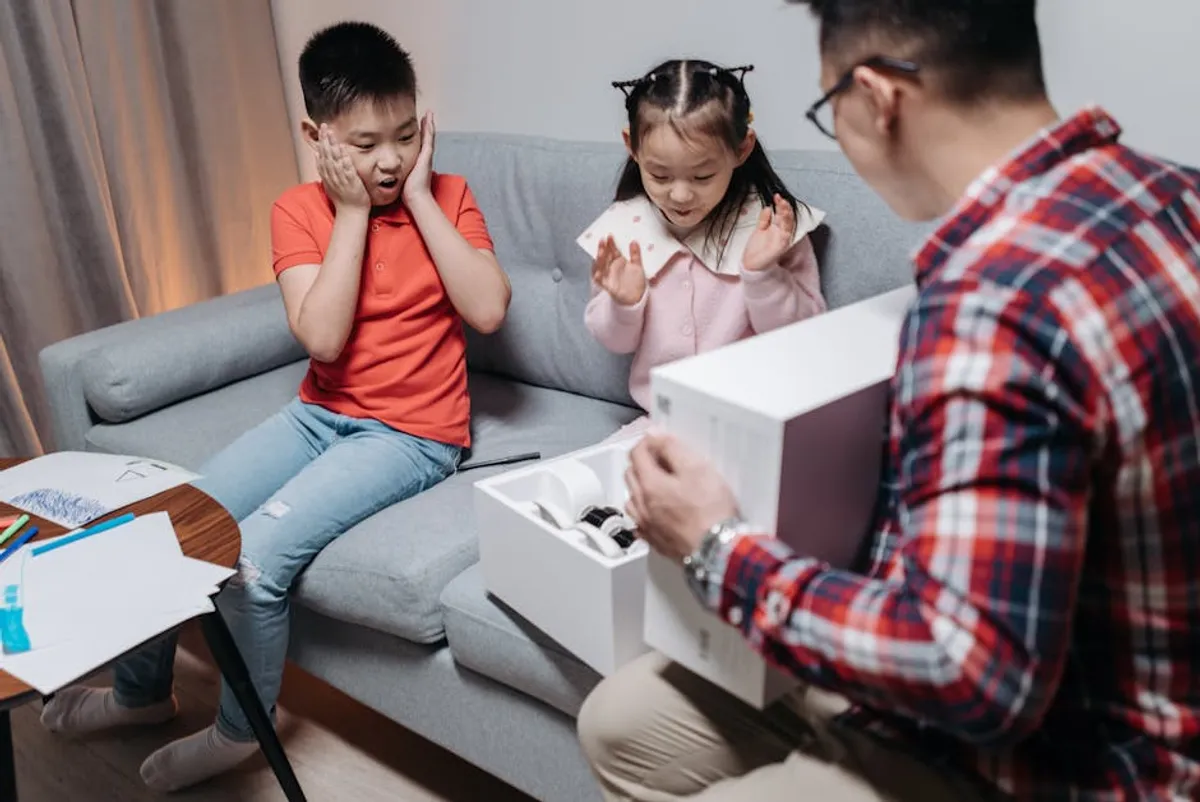
Selecting gifts for children presents a unique challenge, often requiring a balance between a child's immediate desires and the long-term value of the item. The landscape of kids' products is vast, ranging from fleeting trends to enduring classics, each with different implications for development, engagement, and safety. This overview aims to provide a structured approach to identifying suitable gifts by considering age-appropriate developmental stages, the benefits of experiential learning, and practical purchasing considerations. Understanding these factors allows for more informed decisions, ensuring gifts are both well-received and genuinely beneficial.
Understanding Age-Appropriate Gifting
The most effective gifts align with a child's current developmental stage, offering opportunities for skill building, imaginative play, and cognitive growth without overwhelming or under-stimulating. Categorizing by age provides a foundational framework for selection.
Infants (0-12 months)
For infants, gifts should prioritize sensory engagement, safety, and durability. Items that stimulate sight, sound, and touch are particularly valuable. Focus on non-toxic materials and designs that are easy for small hands to grasp and mouth safely.
- Sensory Exploration: Soft rattles, crinkle books, musical mobiles. These support auditory and visual development.
- Motor Skill Development: Play mats with hanging toys, tummy time mirrors. These encourage reaching, grasping, and head lifting.
- Safety First: Ensure all components are securely attached, with no small parts that could pose a choking hazard. Materials should be BPA-free and lead-free.
Toddlers (1-3 years)
Toddlers are developing gross and fine motor skills, language, and a burgeoning sense of independence. Gifts that encourage exploration, simple problem-solving, and imaginative play are ideal.
Best for: Fostering coordination and early cognitive skills.
Examples include stacking rings, shape sorters, large building blocks, and push/pull toys. Board books with simple stories and vibrant illustrations support early language acquisition and object recognition. Avoid toys with complex instructions or numerous small pieces that require fine motor skills beyond their current capacity.
Preschoolers (3-5 years)
This age group thrives on imaginative play, social interaction, and early creative expression. Gifts should facilitate storytelling, role-playing, and the development of pre-writing skills.
Key Focus: Creative expression and social development.
Art supplies like chunky crayons, washable markers, and large paper encourage artistic exploration. Dress-up clothes and play kitchen sets foster imaginative scenarios and social role-playing. Simple puzzles (20-50 pieces) and early learning games introduce basic concepts like letters, numbers, and colors in an engaging format. Ensure art supplies are non-toxic and easily washable.
Early School Age (6-8 years)
Children in this bracket are often developing specific interests, improving fine motor control, and engaging in more complex problem-solving. Gifts that support these emerging hobbies and skills are highly valued.
Ideal for: Developing specific interests and logical thinking.
Science kits for simple experiments, more intricate LEGO or building sets, and craft kits (e.g., friendship bracelet making, simple sewing) provide structured activities. Chapter books introduce more complex narratives and independent reading. Board games that require strategy and turn-taking also promote social skills and critical thinking.
Pre-Teens (9-12 years)
Pre-teens often seek gifts that reflect their growing independence, specialized interests, and desire for challenge. Gifts can range from advanced hobby kits to technology-based learning tools.
Consider: Advanced skill development and personal interests.
More complex model building kits, robotics or coding kits, and advanced art supplies cater to developing talents. Sports equipment, musical instruments, or books related to specific genres (fantasy, adventure, non-fiction) align with individual passions. Strategy board games and cooperative video games can also provide engaging social and mental stimulation.
Beyond Toys: Experience and Educational Gifts
While physical toys have their place, non-toy gifts can offer lasting value through skill development, memorable experiences, and sustained engagement.
Subscriptions and Kits
Subscription boxes deliver curated experiences directly to the child, providing ongoing excitement and learning opportunities. These often focus on specific themes, ensuring sustained interest.
Benefit: Sustained engagement and discovery over time.
Examples include science experiment kits that arrive monthly, art project boxes with new materials and instructions, or book clubs tailored to age and reading level. These gifts provide a consistent source of new activities, reducing the likelihood of a gift being quickly forgotten.
Event Tickets and Passes
Experiences create memories and offer opportunities for shared time, often more impactful than a physical item. These gifts can also introduce children to new environments and concepts.
Value: Creating lasting memories and shared experiences.
Consider tickets to a local zoo, museum, aquarium, or a child-friendly theater performance. Annual passes to a favorite attraction provide multiple opportunities for visits. These gifts encourage interaction, observation, and often have educational undertones.
Creative and Skill-Building Tools
Investing in tools that foster a child's talents can have a profound impact on their development and future interests. These are not merely toys but instruments for learning.
Purpose: Cultivating hobbies and practical skills.
A beginner musical instrument (e.g., ukulele, keyboard), a quality art easel with canvases, a basic sewing machine for older children, or coding robots that teach programming fundamentals. These tools provide the means for a child to explore and develop a skill over time, often leading to a lifelong hobby.
Practical Considerations for Gifting
Beyond age and interest, several practical factors influence the suitability and longevity of a gift. Evaluating these aspects ensures a thoughtful and responsible purchase.
- Durability and Safety Standards: Check for certifications (e.g., ASTM F963 in the US, EN71 in Europe) indicating adherence to safety standards. Durable construction ensures the gift withstands typical child's play.
- Material Composition: Opt for non-toxic, child-safe materials. Consider sustainable or ethically sourced options where possible, which also introduces an important value.
- Longevity and Replay Value: Gifts that can be used in multiple ways or grow with the child (e.g., open-ended building toys, adjustable sports equipment) offer greater long-term value.
- Recipient's Interests vs. Giver's Preferences: While well-intentioned, gifts should primarily align with the child's actual interests, not just what the giver thinks they "should" like. Observing their current fascinations provides crucial clues.
- Budgeting for Gifts: High price does not automatically equate to high value. Many excellent, engaging gifts are available across all price points. Focus on thoughtful selection over monetary expenditure.
Pro Tip: Before purchasing any toy, especially for younger children, consult independent product reviews and check for any recall history. Websites from consumer advocacy groups often provide detailed safety reports and age-appropriateness assessments that go beyond manufacturer claims. This due diligence can prevent potential hazards and ensure the gift is truly safe. Consulting independent product reviews is a key part of our kids gift ideas best practices for ensuring safety.
Navigating the Gift Landscape
Successfully selecting a gift for a child involves synthesizing various considerations: their age, developmental stage, individual interests, and the practical aspects of safety and durability. The most impactful gifts are those that resonate with the child personally, offering opportunities for growth, joy, and sustained engagement. Prioritize items that encourage open-ended play, foster creativity, or provide enriching experiences, rather than those that offer only fleeting novelty. A well-chosen gift is an investment in a child's development and happiness.
Frequently Asked Questions
How do I choose a gift for a child I don't know well?
When personal interests are unknown, focus on age-appropriate, open-ended gifts that encourage creativity or physical activity. Universal options like classic building blocks, art supplies, or a popular age-appropriate book series are generally well-received. Gift cards to a local bookstore or toy store can also empower the child or parent to choose something specific.
What are good non-toy gift ideas for kids?
Non-toy gifts can include experiences such as tickets to a children's museum, zoo, or sporting event; subscriptions to educational magazines or activity boxes; or creative tools like a beginner musical instrument, art easel, or coding kit. Books are also excellent non-toy options, offering both entertainment and educational value.
How important is a gift's educational value?
While not every gift needs to be explicitly "educational," those that encourage problem-solving, creativity, social interaction, or skill development often provide more lasting value. The best gifts integrate learning seamlessly into engaging play, fostering curiosity and a love for discovery without feeling like homework.
Should I consider sustainability when buying kids' gifts?
Yes, considering sustainability is increasingly important. Look for gifts made from recycled, sustainably sourced, or durable materials designed to last. Choosing items from companies with ethical manufacturing practices or opting for experiences over physical goods can reduce environmental impact and teach children about responsible consumption.