
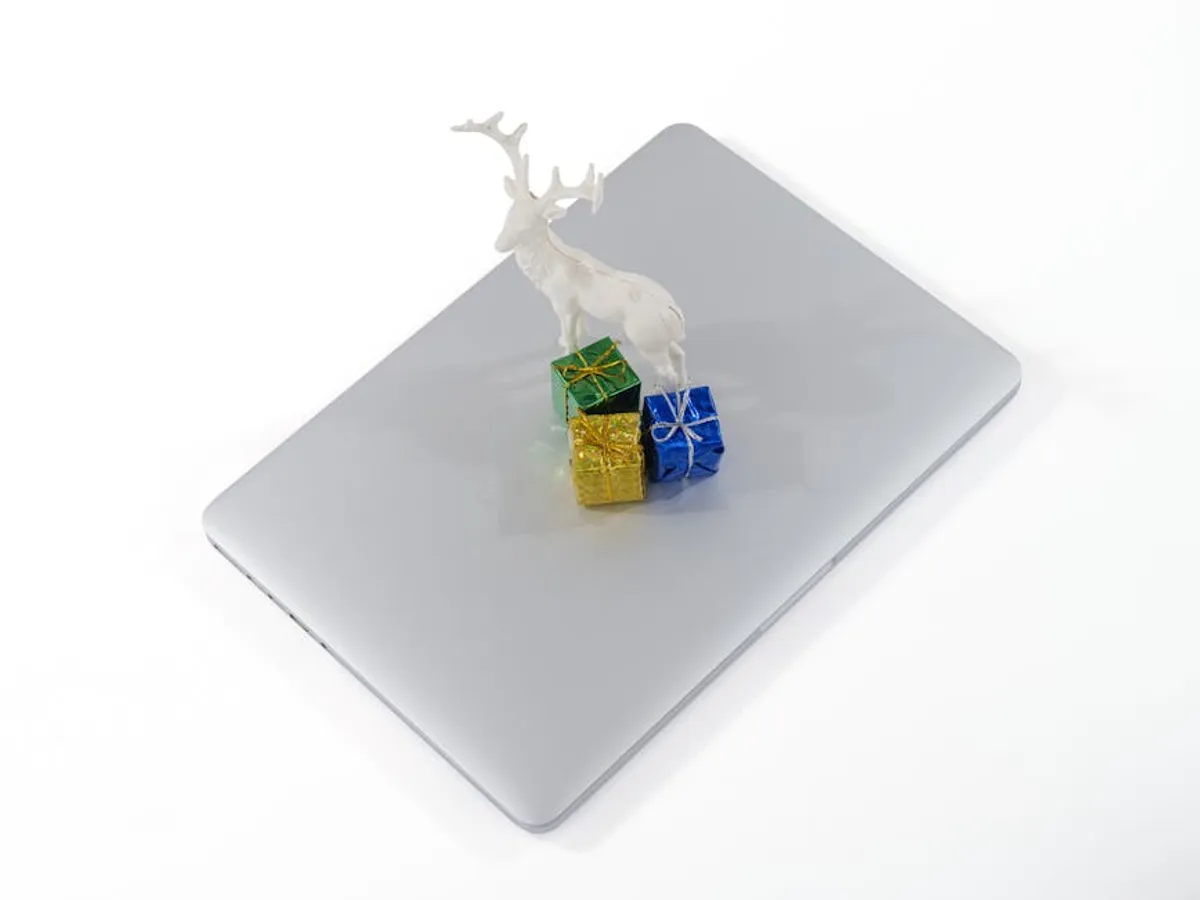
Developing a holiday gift guide extends beyond compiling a list of products; it is a strategic commercial initiative designed to capture high-intent seasonal traffic and convert it into revenue. Effective guides serve as curated resources for shoppers navigating a crowded marketplace, offering solutions tailored to specific recipient types, budget constraints, or thematic interests. For publishers and marketers, the goal is to position these guides as authoritative, user-friendly destinations that not only showcase products but also solve a shopper’s immediate need for inspiration and direction, ultimately driving qualified traffic and sales. Developing these guides effectively requires understanding the best practices for effective gift guides to capture seasonal traffic and convert it into revenue.
Foundational Strategy: Audience & Intent Alignment
The efficacy of any gift guide hinges on its ability to resonate with a specific audience and fulfill their search intent. A generic approach yields diluted results; precision drives performance.
Identifying Your Core Shopper Segments
Before curating products, define who the guide is for. Consider the gift recipient, not just the buyer. Segments might include:
- Recipients: "Gifts for Mom," "Gifts for Teens," "Gifts for Pet Owners."
- Interests/Hobbies: "Gifts for Home Cooks," "Gifts for Gamers," "Gifts for Outdoor Enthusiasts."
- Budget: "Gifts Under $50," "Luxury Gift Ideas," "Stocking Stuffers."
- Values: "Sustainable Gift Ideas," "Handmade Gifts," "Support Small Business Gifts."
Each segment implies distinct search queries and expectations. For example, a shopper looking for "gifts for dad who has everything" expects creative, experience-based, or highly niche suggestions, not common gadgets.
Mapping Intent to Gift Categories
Once segments are clear, align your content structure with anticipated search intent. This means structuring your guide with clear headings and sub-sections that mirror common search patterns. For instance, a guide titled "Holiday Gifts for Tech Enthusiasts" should include sub-sections like "Gadgets for the Smart Home," "Audio Upgrades," or "Productivity Tools," each addressing a specific facet of a tech enthusiast's interest. This granular approach improves both user experience and search engine visibility by providing relevant content for long-tail queries.
Content Execution: Beyond Product Listings
A gift guide that merely lists products with prices fails to engage. The most successful guides offer value through context, visual appeal, and clear pathways to purchase.
Thematic Curation and Storytelling
Organize products around compelling themes rather than just categories. Instead of "Kitchen Appliances," consider "Gifts for the Aspiring Chef." Introduce each section with a brief narrative explaining the theme's appeal or the type of person it suits. This adds a human element and helps shoppers visualize the gift's impact. Use descriptive language that highlights benefits and emotional connections, not just features.
Visual Merchandising and User Experience
High-quality, aspirational imagery is non-negotiable. Products should be professionally photographed, ideally in context or lifestyle shots that evoke the holiday spirit. Ensure images are optimized for web (compressed without losing quality) to maintain fast page load times. The guide's layout should be clean, intuitive, and easy to navigate on both desktop and mobile. Implement filters or sorting options if the guide features a large number of products, allowing users to narrow choices by price, brand, or category.
Call-to-Action Optimization
Each product entry requires a clear, compelling call-to-action (CTA). Instead of generic "Shop Now," consider "Discover More," "View Product Details," or "Add to Wishlist." Ensure CTAs are visually prominent and lead directly to the product page where the item can be purchased or further explored. Minimize friction in the buyer journey.
Pro Tip: Avoid overwhelming users with too many choices on a single page. Consider breaking down extensive gift guides into multiple, more focused articles or using internal anchor links for easier navigation within a long-form guide. This improves readability and reduces bounce rates.
Technical SEO for Visibility
Even the most beautifully curated guide will underperform without proper technical optimization to ensure search engines can find, crawl, and rank it.
Structured Data Implementation
Implement Schema.org markup, specifically Product and Offer, for each item featured in your guide. If applicable, also use Review schema for products with ratings. This helps search engines understand the content's nature and can lead to rich snippets in search results, increasing click-through rates. For the guide itself, consider CollectionPage or WebPage schema with relevant properties.
Internal Linking Architecture
Strategically link your gift guide from relevant pages across your site, such as blog posts, category pages, and the homepage (during the holiday season). Within the guide, link between related product categories or to deeper product pages. Use descriptive anchor text that includes target keywords. This distributes link equity, improves crawlability, and guides users deeper into your site.
Page Speed and Mobile Responsiveness
Holiday shoppers are often on mobile devices, browsing on the go. Ensure your gift guide loads quickly on all devices and offers a seamless mobile experience. Core Web Vitals are critical; optimize images, leverage browser caching, and minimize render-blocking resources. A slow or clunky mobile experience will deter potential buyers.
Promotion & Measurement
A gift guide's success isn't solely about its creation; it's also about its reach and performance analysis.
Multi-Channel Distribution
Amplify your guide's reach through various channels. Promote it via email marketing campaigns, segmenting your list to target relevant audiences. Share snippets and direct links across social media platforms. Consider paid advertising campaigns on Google Ads or social media, targeting specific demographics or search queries. Collaborate with influencers or affiliate partners if appropriate for your niche.
Performance Tracking and Iteration
Track key metrics to understand your guide's effectiveness. Monitor organic search traffic, referral traffic from promotional channels, conversion rates (purchases, add-to-carts), average order value (AOV) for gift guide-driven sales, and engagement metrics like time on page and bounce rate. Use this data to identify top-performing sections or products and inform future iterations or similar content initiatives.
Practical Next Steps for Your Gift Guide
To maximize your holiday gift guide's impact, begin planning early. Identify your target segments and their associated keywords. Curate products that genuinely align with those segments, focusing on unique selling propositions rather than just price. Invest in high-quality visuals and compelling descriptive copy that tells a story. Prioritize technical SEO elements like structured data and mobile optimization. Finally, develop a robust promotion strategy and establish clear KPIs for tracking performance. This systematic approach transforms a simple product list into a powerful revenue driver.
Frequently Asked Questions
When should holiday gift guides be published?
Ideally, guides should be published and promoted starting in early to mid-October. This allows ample time for search engines to crawl and index the content, and for early bird shoppers to begin their research before the peak holiday rush.
How many products should be included in a gift guide?
The ideal number varies, but focus on quality over quantity. A guide with 10-20 highly curated, relevant products per segment often performs better than one with 100 generic items. For broader guides, ensure clear categorization and navigation.
Should I update previous year's gift guides or create new ones?
For evergreen themes, updating and refreshing existing guides is often more efficient for SEO, as they may have established authority. Update product links, replace discontinued items, refresh imagery, and add new relevant products. For highly trend-driven themes, creating new guides might be more appropriate.
What is the most important element for a successful gift guide?
The most critical element is relevance to the target audience's intent. A guide that directly addresses a shopper's specific needs, whether it's finding a gift for a niche hobbyist or staying within a strict budget, will consistently outperform guides that lack this focused approach.