
Christmas is approximately 35 percent of my annual revenue. It happens in roughly six weeks. The other 46 weeks of the year produce the remaining 65 percent.
This concentration is normal in gift retail. It also means Christmas is enormously consequential for my year. A good Christmas funds the rest of the year. A weak Christmas creates substantial pressure for the next ten months.
Here's what running Christmas in a tiny gift shop actually looks like — the prep, the run, the recovery, and what I've learned about all of it across eleven Christmases.
The prep starts in July
Most non-retail people don't know that Christmas planning starts in summer.
By July I'm placing orders with suppliers for Christmas inventory. Some specialty items have lead times of 4-6 months. If I want them on shelves by November, I'm ordering them when it's 95 degrees outside.
The July-August work involves:
Reviewing last Christmas's sales data to identify patterns that worked and patterns that didn't.
Deciding on this year's themes and product mix. Each year I aim for some continuity and some refresh.
Placing orders that will arrive in batches across September through November.
Negotiating payment terms — Christmas inventory is a substantial cash commitment.
Mental preparation. Christmas is a marathon. The mental prep matters.
The customers I see in July have no idea I'm thinking about December. The disconnect is constant in retail. Customers see the surface of the season; the work happens months earlier.
September is the calm before
September is when last year's Christmas inventory has been entirely sold or cleared, the regular fall product is on shelves, and incoming Christmas inventory is starting to arrive in the back.
September feels paradoxically peaceful. The shop runs at normal pace. Customers come in for fall items. The Christmas storm hasn't started but the prep work is largely done.
What happens in September:
Christmas inventory arrives in batches. I unpack, inspect, and store.
I plan the Christmas display approach for the windows and the interior.
I think about specific products and how to feature them.
I do regular work — selling fall items, attending to regular customers, basic operations.
The September pace is sustainable. By mid-October it changes.
October sets up the season
Mid-October is when the shop starts shifting visibly to Christmas. Not yet fully Christmas — that would be too early. But specific elements appear.
I usually start with one Christmas-themed window display in mid-October. The interior remains mostly fall through Halloween.
The specific challenge of October:
Some customers want Christmas products early. Some specifically don't want to see Christmas before November.
I try to balance both. Some early Christmas presence to capture the early shoppers. Most of the shop staying in fall mode for those who don't want premature Christmas.
The Halloween/early Christmas overlap is awkward. I've had years where I got the balance wrong in either direction.
November is when it gets real
November first marks the full transition to Christmas.
The shop becomes Christmas. Windows are full Christmas displays. Interior is reorganized around Christmas products. Background music becomes Christmas (mostly — I keep instrumental and avoid the worst tracks).
Customer traffic increases substantially. November traffic is typically 1.5-2x my regular monthly traffic.
The November patterns:
Early November: planners. Customers who want to start their Christmas shopping early. They're calm, considered, willing to spend time.
Mid-November: pre-Thanksgiving wave. Families starting to think about gift lists.
Black Friday week: I don't do Black Friday discounting in any meaningful way. The shop's value proposition isn't deal-driven and trying to compete on Black Friday makes the shop look like something it's not.
Post-Thanksgiving: the season really begins. Traffic doubles again.
I work longer hours starting around mid-November. The increased traffic means I can't do back-of-house work during the day; I do it after closing.
December is the marathon
December is approximately twice the work of any other month.
Mornings: open early, manage the rush of customers wanting to shop before work.
Days: customer flow is steady through closing.
Evenings: restocking, cleaning, processing the day's administrative work.
Nights: less sleep than ideal. Shorter days but somehow more exhausting.
The December patterns:
First week: still planners. Customers shopping deliberately.
Second week: middle-shoppers. Customers shopping at normal pace.
Third week: panic begins. Customers who realized Christmas is approaching faster than expected.
Fourth week (final 5 days): full panic. Shoppers desperate for gifts. Quality of decision-making drops; speed of decision-making rises. The shop is at maximum chaos.
Christmas Eve: the wildest day of the year. Last-minute shoppers. People with specific dramatic stories about needing a gift in the next two hours.
I close at 4pm on Christmas Eve. Most years I leave the shop with my legs aching and my brain frizzed and a small pile of last-minute returns sitting on the counter ready to deal with after Christmas.
The economics are concentrated
The financial structure of my Christmas:
Christmas inventory commitment: substantial cash outlay starting in July, peaking in October.
Revenue concentration: the bulk of the year's revenue happens in 4-6 weeks.
Cash flow: tight in fall (inventory paid for, revenue not yet collected). Strong in December. Mixed in early January (clearance and post-holiday).
Risk: a weak Christmas creates immediate cash pressure that affects the rest of the year.
Reward: a strong Christmas funds the year and produces some discretionary capacity.
The concentration matters. I've had Christmases that exceeded expectations and Christmases that underperformed. Both have substantial multi-month consequences.
What's different about gift-shop Christmas
The Christmas dynamics specific to a small gift shop:
Repeat customers are heavy. Many of my regulars do most of their gift shopping with me. They've come to expect specific things.
Gift wrapping is essential. I wrap maybe 60 percent of December purchases. The wrap quality is part of why customers shop with me rather than online.
Recommendations matter enormously. Customers come in saying "I need a gift for my mother-in-law who's 67 and likes gardening" and expect specific recommendations. Across years I've developed specific patterns for these requests.
Specific products develop annual followings. Some items have customers who come specifically each year for them.
The atmospheric experience matters. Customers come to the shop partly for the experience of being in a small gift shop at Christmas. The shop has to deliver on that.
The recovery
December 26th through January 5th are recovery.
The shop is open but quieter. The recovery activities:
Returns and exchanges. Most are smooth.
Clearance. Christmas inventory remaining gets marked down. The remaining items need to clear before fresh inventory can come in.
Inventory accounting. I count what's left, reconcile against what was ordered and sold.
Financial review. The Christmas P&L tells the story of the year.
Mental recovery. I'm exhausted. Quiet shop days are restorative.
Planning the year ahead. While Christmas is fresh, I think about what worked and what didn't for next year's prep.
By mid-January the shop is back to regular operations. The Christmas surge becomes part of the year's history rather than the current concern.
What I love about Christmas in the shop
The customer interactions are different. People are explicitly trying to make others happy. The atmosphere is more emotional than usual.
The gift recommendations are deeply rewarding. When I find the right thing for someone's specific person, I get to participate in that small piece of their life.
Regular customers I haven't seen in months come in specifically for Christmas.
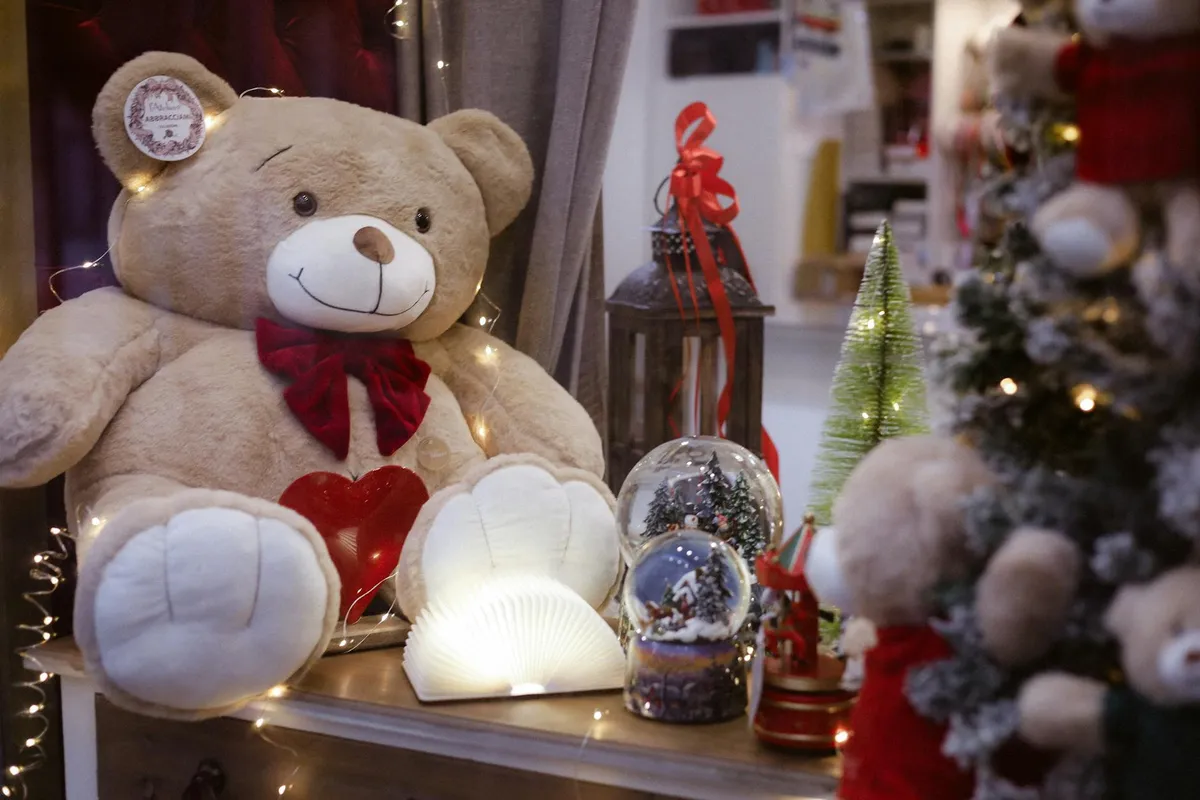
The shop looks beautiful. The investment in Christmas presentation pays back in atmosphere.
The financial concentration funds the year. I get to do the rest of my work without persistent financial pressure.
What I dread about Christmas in the shop
The exhaustion. Six weeks of marathon pace produces real fatigue.
The financial risk. Most years are fine. The years that aren't are stressful.
The customer pressure. Some Christmas customers are stressed and that stress sometimes lands on me.
The time commitment. December consumes my life. Other things suffer.
The post-Christmas crash. The high of the holiday gives way to fatigue and sometimes depression.
The eleven-year arc
Eleven Christmases have shifted my approach:
I'm better at the work. Years of practice mean each step is more efficient.
I plan further ahead. The mistakes of early years taught me to start prep earlier.
I'm more confident in the shop's voice. I don't try to be all things to all customers anymore.
I take care of myself better through the season. Hydration, sleep, breaks. Eleven years of pushing through has taught me what happens when you don't.
I appreciate it more. Christmas is exhausting but it's also the most concentrated form of what makes the shop matter to me. The relationships, the atmosphere, the role in people's lives.
I plan to keep doing it for several more years. The Christmas marathon is part of what running the shop is.
If you're ever in Mt Holly in December, come by. I'll probably look tired. The shop will probably look beautiful. We'll find you something nice for whoever you're shopping for.
That's the deal we've been running for eleven years. It still works.