
Brazilian cuisine offers a rich tapestry of flavors, reflecting a diverse cultural heritage shaped by indigenous, African, and European influences. For those looking to understand emerging culinary trends, plan travel itineraries, or analyze consumer preferences in the food and hospitality sectors, a detailed exploration of Brazil's gastronomic landscape provides valuable insights. This guide delves into the popular dishes, defining flavors, and practical travel considerations necessary for appreciating this vibrant food culture, whether for market research or personal exploration.
The Core Flavors of Brazilian Cuisine
Understanding Brazilian food begins with its foundational ingredients and the distinct flavor profiles they create. The country's vast geography contributes significantly to regional culinary variations, each offering a unique sensory experience.
Regional Culinary Diversity
Brazil's five major regions each boast a unique culinary identity, driven by local produce, historical influences, and traditional cooking methods. Ignoring these distinctions overlooks critical nuances in consumer taste and market opportunities.
- North (Norte): Dominated by Amazonian ingredients like tucupi (a yellow sauce extracted from wild manioc), jambu (a leafy green that causes a tingling sensation), and freshwater fish. Dishes often feature indigenous techniques and flavors.
- Northeast (Nordeste): Strong African influence, characterized by coconut milk, palm oil (dendê), and seafood. Acarajé (fried bean fritters) and Moqueca (fish stew) are staples.
- Southeast (Sudeste): Home to Brazil's largest cities, this region features a blend of influences. São Paulo's cuisine is highly international, while Minas Gerais is known for its hearty, farm-to-table dishes and dairy products. Feijoada, the national dish, is widely consumed here.
- South (Sul): Influenced by European immigrants, particularly Germans and Italians. Churrasco (barbecue) is paramount, alongside pasta, polenta, and wine production.
- Central-West (Centro-Oeste): Features Pantanal and Cerrado biomes, with dishes often incorporating river fish, beef, and local fruits like pequi.
Essential Ingredients and Spices
Key ingredients form the backbone of Brazilian cooking, imparting distinctive tastes and textures. Familiarity with these components is crucial for authentic culinary interpretation.
Common Staples:
- Manioc (Cassava/Aipim): A root vegetable used in many forms, from flour (farofa) to fried slices and purees.
- Rice and Beans (Arroz e Feijão): The daily staple, often served separately but always together.
- Coconut Milk (Leite de Coco): Prevalent in Northeastern dishes, providing richness and a subtle sweetness.
- Palm Oil (Azeite de Dendê): A vibrant orange oil with a distinct, strong flavor, central to Afro-Brazilian cuisine.
Key Flavor Enhancers:
- Garlic and Onion: The aromatic base for most savory dishes.
- Cilantro and Parsley: Fresh herbs used extensively for garnish and flavor.
- Lime: Adds acidity and brightness, particularly to seafood and drinks like Caipirinha.
- Malagueta Pepper: A common chili pepper providing a moderate heat, often served as a condiment.
Popular Brazilian Dishes to Explore
From hearty stews to beloved street snacks, Brazilian cuisine offers a range of dishes that define its culinary identity. These specific examples provide concrete reference points for understanding the national palate.
Iconic Main Courses
These dishes are central to Brazilian dining, often representing cultural celebrations or daily sustenance.
Feijoada Completa: Considered Brazil's national dish, this rich stew combines black beans with various cuts of pork and beef, including salted beef, smoked sausage, and bacon. Traditionally served with rice, farofa (toasted manioc flour), collard greens, and orange slices.
Best for: Understanding a cornerstone of Brazilian culinary tradition and its communal dining aspect.
Moqueca (Capixaba or Baiana): A flavorful fish stew. Moqueca Capixaba (from Espírito Santo) is lighter, made with olive oil, tomatoes, onions, garlic, cilantro, and annatto. Moqueca Baiana (from Bahia) is richer, incorporating coconut milk and palm oil.
Best for: Experiencing regional variations in cooking techniques and flavor profiles within a single dish type.
Churrasco: Brazilian barbecue, particularly prominent in the South. Various cuts of meat (picanha, alcatra) are slow-roasted on skewers over an open flame, seasoned simply with coarse salt. Served with farofa, vinaigrette, and sometimes rice.
Best for: Observing a significant social and culinary ritual, especially in the Southern states.
Street Food and Snacks
These ubiquitous items offer quick, accessible insights into daily Brazilian flavors and consumption patterns.
Pão de Queijo: Small, chewy cheese bread rolls made from tapioca flour, giving them a unique texture. A popular breakfast item or snack.
Best for: Analyzing the role of specific ingredients (tapioca) in creating distinct textural experiences.
Coxinha: Shredded chicken encased in a dough, shaped into a drumstick, breaded, and deep-fried.
Best for: Understanding popular savory snack preferences and their market penetration.
Pastel: Large, thin-crusted fried pastries with various fillings, including ground meat, cheese, or heart of palm. Common in street markets.
Best for: Exploring the versatility of fried dough in different cultural contexts.
Desserts and Beverages
Sweet treats and iconic drinks round out the Brazilian gastronomic experience.
Brigadeiro: A simple yet beloved chocolate truffle made from condensed milk, cocoa powder, and butter, rolled in chocolate sprinkles.
Best for: Identifying popular sweet indulgence products with broad appeal.
Caipirinha: Brazil's national cocktail, made with cachaça (sugarcane liquor), lime, sugar, and ice.
Best for: Understanding the cultural significance of local spirits and their role in social settings.
Navigating Brazilian Food Experiences: Travel Tips
For those planning to experience Brazilian cuisine firsthand, practical considerations enhance the authenticity and safety of the culinary journey. These tips are vital for effective travel planning and consumer engagement.
Dining Etiquette and Local Customs
Understanding local dining norms can improve interactions and cultural immersion.
Brazilians tend to dine later than in some Western countries, with dinner often starting after 8 PM. Portions are frequently generous, suitable for sharing. Tipping is customary, typically around 10% (often included as "serviço" on the bill). It is common to pay at the table rather than at a counter.
Finding Authentic Local Eateries
Identifying genuine local food experiences requires looking beyond tourist-centric venues.
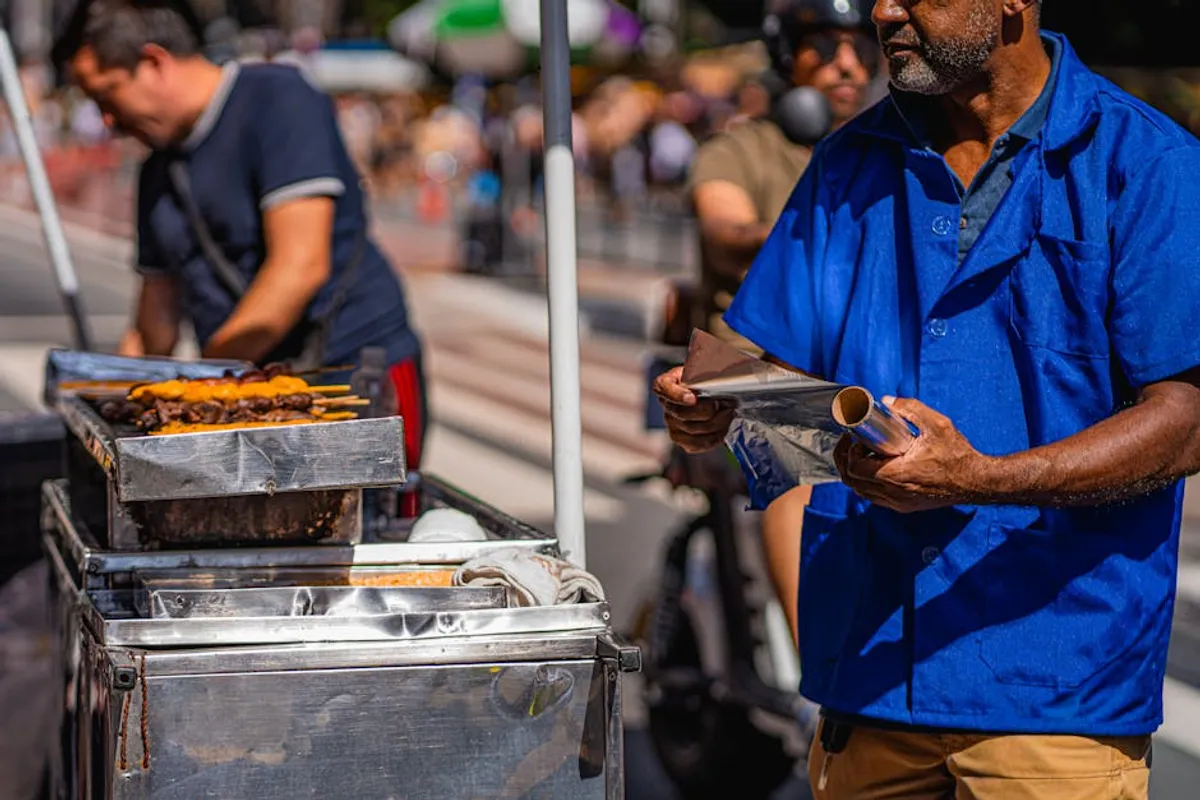
Seek out "botecos" (casual bars/restaurants), "lanchonetes" (snack bars), and street markets ("feiras") for authentic, often more affordable, regional specialties. Local recommendations are invaluable. Observe where locals congregate; this often indicates quality and authenticity. For churrasco, look for "churrascarias" that offer "rodízio" service, where waiters continuously bring skewers of meat to your table.
Pro Tip for Travelers: When trying street food or less formal eateries, prioritize places with high foot traffic and visible food preparation. This often indicates fresh ingredients and safe handling practices, minimizing potential issues while maximizing authentic flavor exposure. Always carry a small amount of local currency for these types of purchases.
Dietary Considerations and Allergens
Communicating dietary needs can be challenging but is essential for a safe dining experience.
Common allergens like nuts, dairy, and gluten are present in many dishes. Learning a few Portuguese phrases related to allergies ("Eu sou alérgico a..." - I am allergic to...) or using a translation app is highly recommended. Vegetarian and vegan options are becoming more common, especially in larger cities, but may require specific requests or seeking out dedicated establishments. Many dishes are naturally gluten-free due to the prevalence of manioc and rice.
Maximizing Your Brazilian Culinary Understanding
Engaging with Brazilian food offers more than just a meal; it provides a window into the country's history, geography, and social fabric. For marketers, this means understanding cultural touchpoints for product development and communication. For travelers, it enriches the journey with authentic experiences. By focusing on regional differences, key ingredients, and practical dining approaches, one can fully appreciate the depth and vibrancy of this remarkable cuisine, turning every dish into a valuable piece of cultural insight.
Frequently Asked Questions About Brazilian Food
Is Brazilian food generally spicy?
No, Brazilian food is not typically spicy. While chili peppers like malagueta are used, they are often served as an optional condiment on the side rather than incorporated heavily into the main dishes. The focus is more on savory, rich, and fresh flavors.
What is the national dish of Brazil?
Feijoada Completa is widely recognized as Brazil's national dish. It is a hearty stew of black beans with various cuts of pork and beef, typically served with rice, farofa, collard greens, and orange slices.
Are there many vegetarian or vegan options in Brazilian cuisine?
While traditional Brazilian cuisine is often meat-heavy, vegetarian options are increasingly available, especially in larger cities. Dishes like Pão de Queijo, Aipim Frito (fried manioc), and many salads are vegetarian. Vegan options require more careful selection, but some traditional dishes can be adapted, and specialized restaurants are emerging.
How should I approach ordering food at a Brazilian restaurant?
At a traditional restaurant, you might find "prato feito" (set meal) options for lunch, or à la carte dishes. In churrascarias, "rodízio" (all-you-can-eat) is common. Don't hesitate to ask your server for recommendations or clarifications on ingredients. Many restaurants will bring a small couvert (bread, butter, pâté) at the start, which is usually charged separately.